
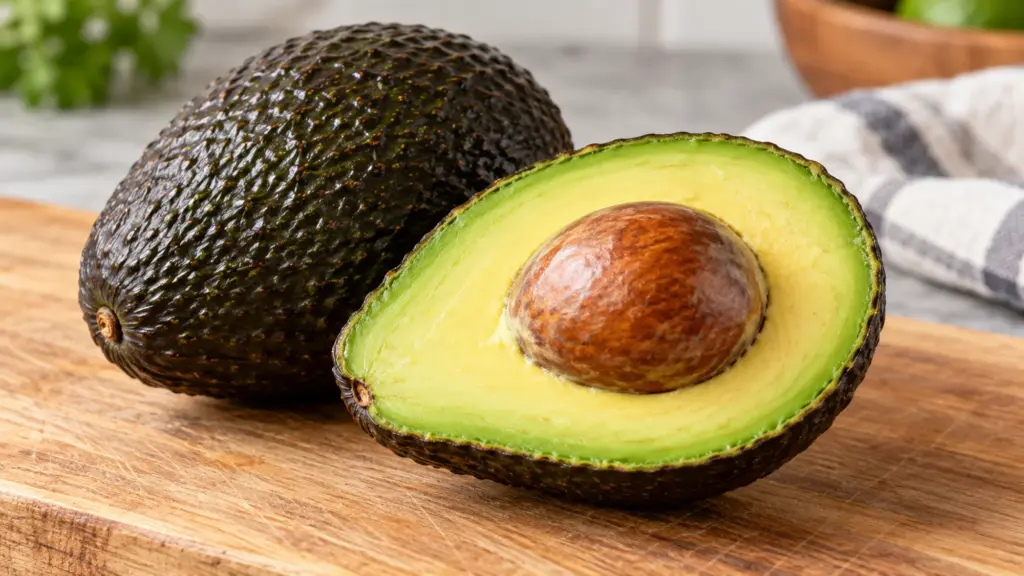
Yes, avocado is a fruit. More specifically, botanists classify it as a berry with one large seed. Its mild flavor and familiar place in salads, sandwiches and guacamole can make it feel like a vegetable, but those kitchen habits do not change how the fruit develops on the tree.
An avocado is botanically a single-seeded berry. “Fruit” describes its plant structure; “vegetable” can describe how people use food in the kitchen. You can enjoy avocado in savory dishes without changing its botanical classification.
Why botanists call avocado a fruit
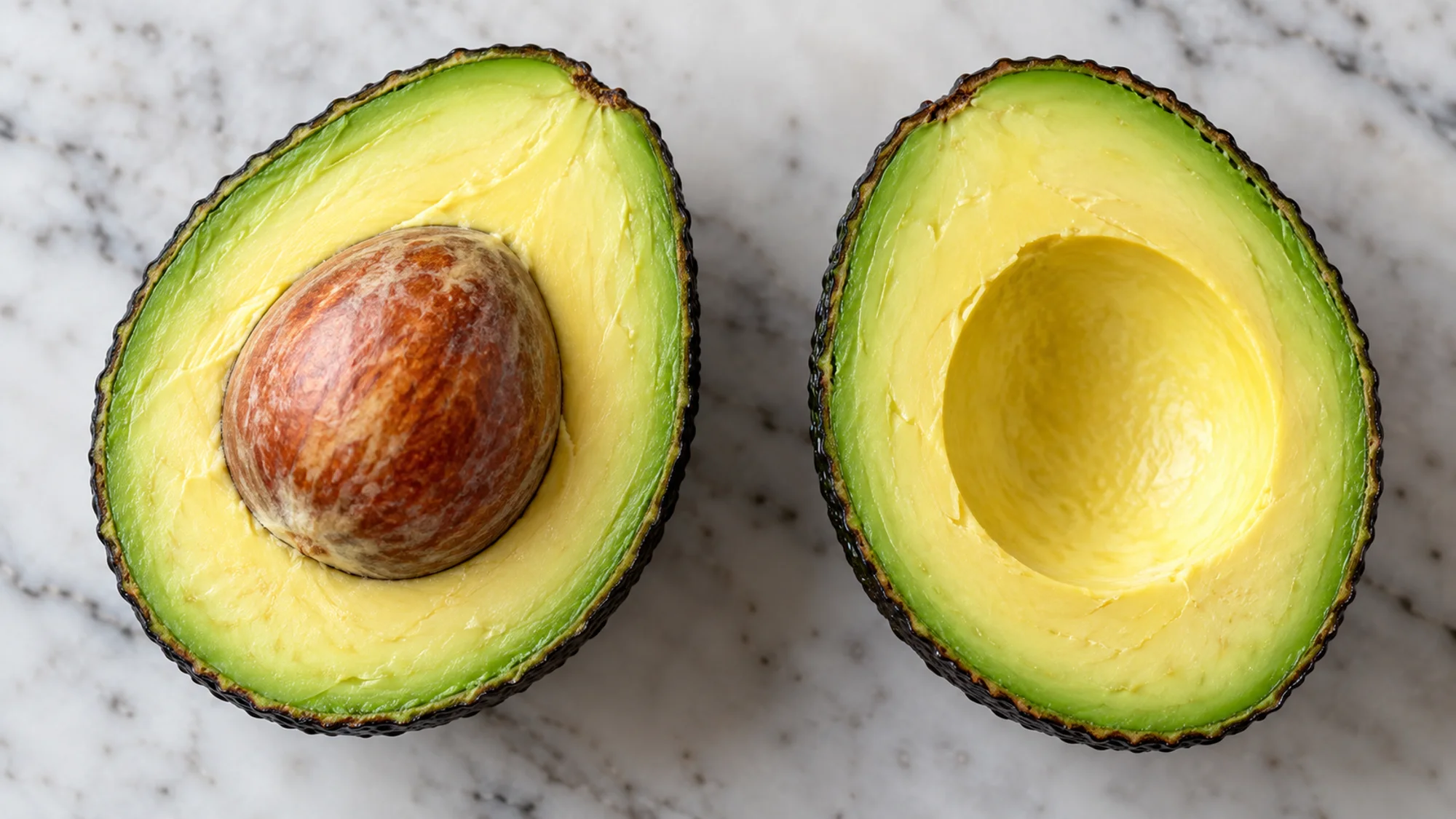
A fruit develops from the ovary of a flower and contains seeds. UC Riverside’s avocado anatomy explanation identifies avocado as a fleshy fruit: the skin and flesh surround the large seed in the middle. That is the useful clue behind the answer, rather than its color or taste.
The tree is Persea americana, in the laurel family according to the Royal Botanic Gardens, Kew. Kew also describes the fruit as a berry containing a single large seed. A green interior does not place a food in a separate botanical vegetable category.
For everyday conversation, you do not need to memorize plant families. Keep the two questions separate: “What plant part is this?” and “How do I use it in a meal?” The first points to fruit. The second leaves plenty of room for avocado beside vegetables on a plate.
Why avocado counts as a berry
“Berry” has a more specific meaning in botany than it does on a grocery sign. It describes the structure of a fleshy fruit, including the tissue around its seeds. It does not require the fruit to be small, sweet or filled with lots of tiny seeds.
| Part you can see | Botanical term | What it helps explain |
|---|---|---|
| Outer skin or rind | Exocarp | The outside layer of the fruit wall |
| Edible green-yellow flesh | Mesocarp | The thick, fleshy middle layer |
| Thin inner layer near the seed | Endocarp | Soft rather than a hard, bony stone |
| Large central seed | Seed | The seed enclosed by the fruit |
That soft inner layer is the distinction UC Riverside draws between a berry and a drupe. A peach has a hard stone around its seed. With an avocado, the large object commonly called the pit is the seed itself; there is no comparable bony fruit wall enclosing it.
In the kitchen, “pit” is still a familiar and useful word. You do not need to correct someone removing an avocado pit. Just remember that casual names and anatomical terms are doing different jobs.
Why it is often treated like a vegetable
Savory uses explain much of the confusion. Avocado’s creamy texture sits comfortably alongside tomato, cucumber, beans, rice or toast. It can add a soft contrast to crunchy ingredients without making a dish taste like dessert.
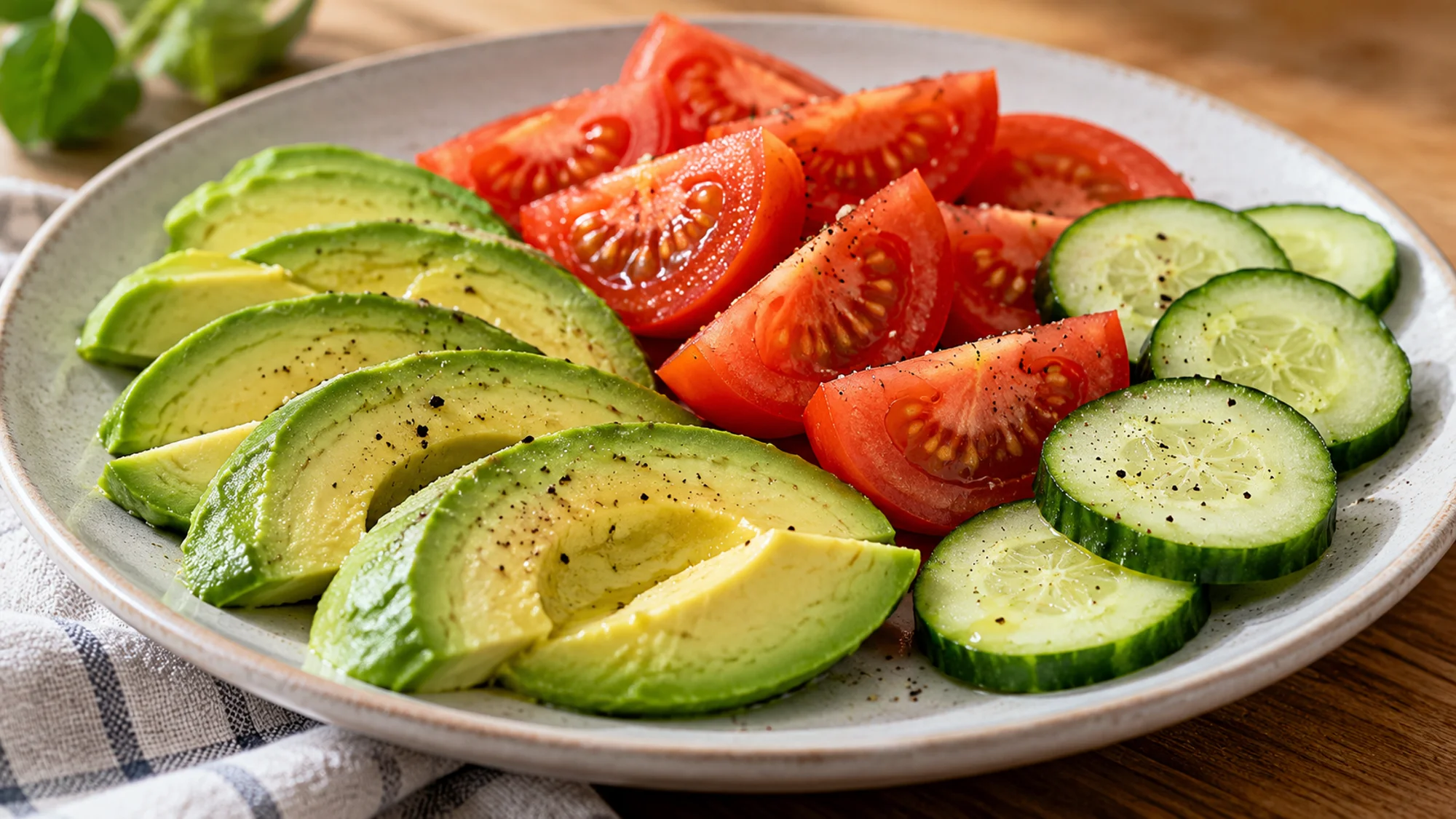
The California Avocado Commission makes the same fruit classification while pointing out its versatility in sweeter foods. Neither sweetness nor the course in which a food appears decides its botanical identity.
For shopping or menu planning, a culinary label may still be convenient. You might look for avocado in the vegetable section of a store or add it to a savory lunch. Those practical groupings do not contradict the plant science; they describe a different way of organizing food.
What that means when you choose and use one
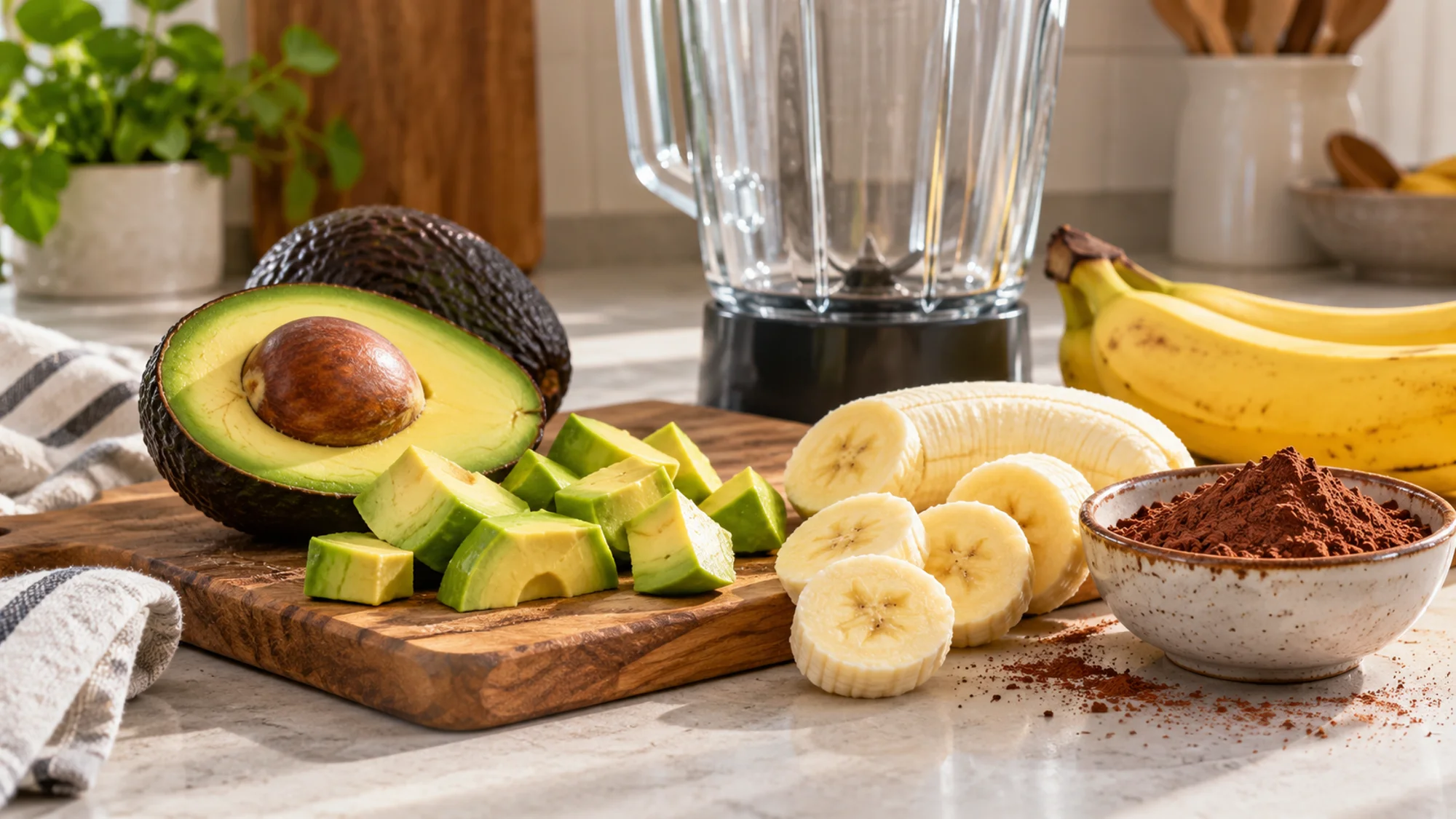
The classification opens up options; it does not require a new eating rule. Avocado can stay in guacamole or a salad, or bring creaminess to a smoothie or a cocoa-based dessert. Choose the flavor combination you like instead of assuming fruit must always be sweet.
Ripeness matters more to the eating experience than the label. The California Avocado Commission’s handling guide recommends checking for gentle yield to pressure and washing the outside before cutting. A firm avocado needs more time before it is easy to mash; a ripe one suits softer preparations.
After cutting, focus on storage rather than classification. Our guide to keeping avocados from browning explains how reducing air exposure and refrigerating cut fruit can help. Calling it a berry does not mean its flesh will behave like a bowl of small summer berries.
Bottom Line
Avocado is a fruit and, botanically, a single-seeded berry. Its skin, fleshy layers and seed explain that answer. Its savory uses explain why people often think of it as a vegetable. Both observations make sense in their own context, so keep using avocado wherever its flavor and texture work for your meal.
California Avocados explains the fruit-or-vegetable question in the video below.
Sources
- UC Riverside: What Kind of Fruit Is an Avocado?
- Royal Botanic Gardens, Kew: Avocado
- California Avocado Commission: Fruit or Vegetable?
- California Avocado Commission: Choosing and Handling Avocados

Hi, I’m Emily Pocker! I share recipes and food guides here at Recipes360 to help you find everyday meal inspiration and feel more confident in the kitchen. My goal is to make cooking approachable, enjoyable, and full of flavor.