
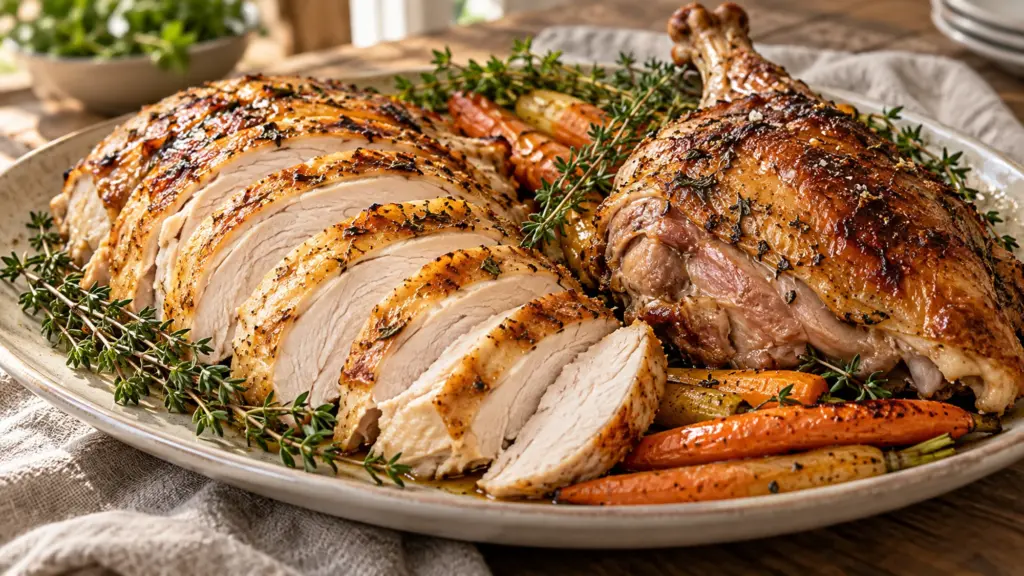
A package of turkey meat can mean a breast roast, a pair of drumsticks, ground poultry or ready-to-eat sandwich slices. Those choices do different jobs in the kitchen. Start with the cut and its label, then match the handling and cooking plan to what you actually bought.
Turkey meat is poultry. Breast, dark meat and ground turkey differ in texture and composition, so there is no single nutrition number for every package. Cook raw turkey to at least 165°F and keep raw products separate from ready-to-eat foods.
Choose turkey meat for the meal you want
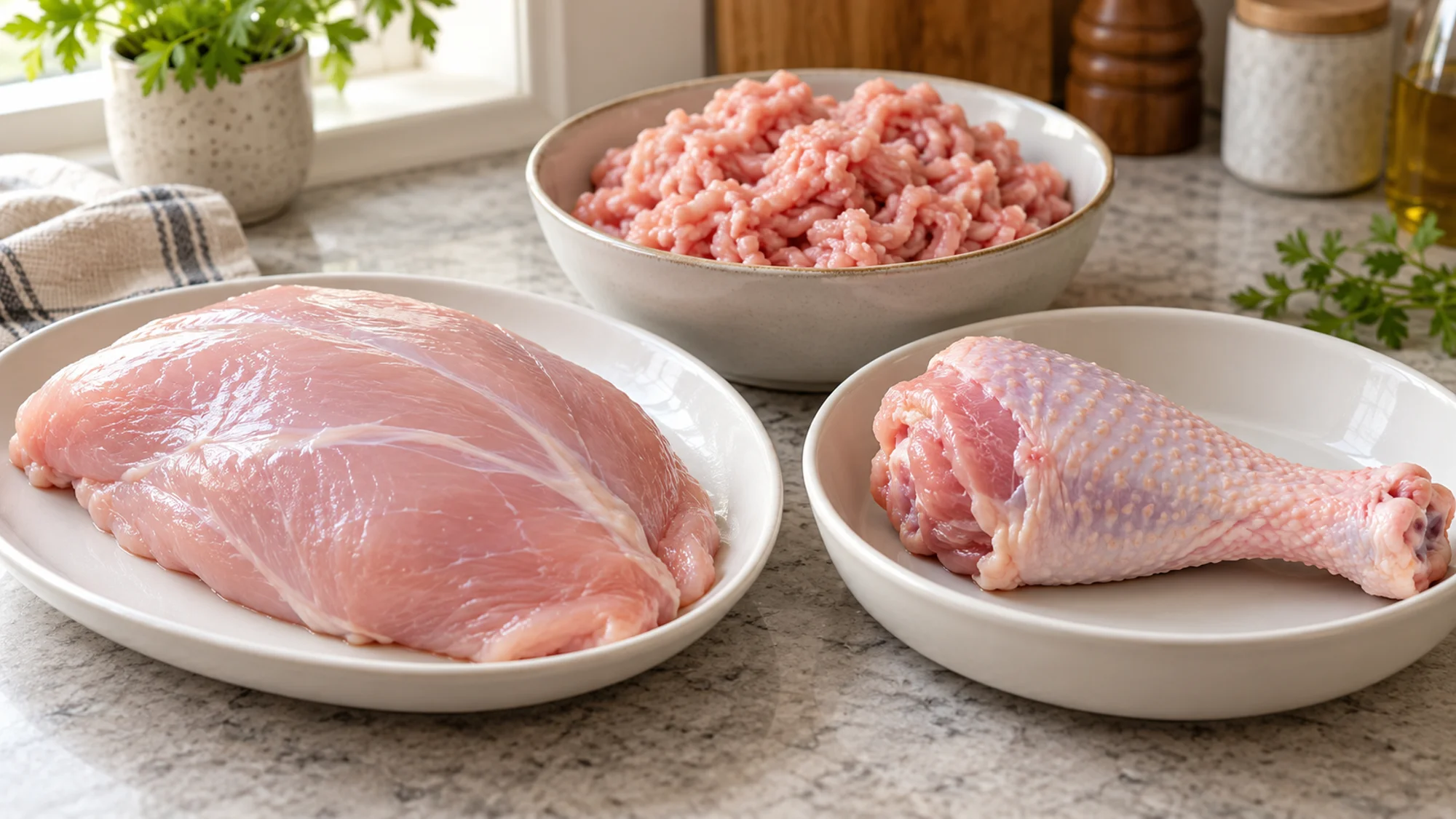
I would choose a breast when neat slices are the goal and dark meat when a richer, more pronounced poultry flavor suits the meal. Ground turkey is useful when you want crumbles or patties, but its fat content depends on the product. The word “turkey” alone does not tell you how lean a package is.
A whole bird makes sense for a table that wants several cuts; smaller portions can be more practical for an ordinary weeknight. Consider refrigerator space, thawing needs and the amount of cooked food you will realistically use. Buying a bird because it looks impressive is easy. Finding room for it takes a little more planning.
| Form | Useful for | Check before buying |
|---|---|---|
| Breast or breast roast | Carving into slices | Bone, skin and any added solution |
| Thighs and drumsticks | Dark-meat portions | Cut size and cooking instructions |
| Ground turkey | Crumbles or patties | Lean percentage and Nutrition Facts |
| Deli turkey | Ready-to-eat sandwiches | Sodium, serving size and storage directions |
Read the package before comparing nutrition
Use the FDA’s Nutrition Facts label guidance to compare the same serving amount. A label for raw ground turkey and a listing for cooked breast are not interchangeable references. Skin, added ingredients, cooking losses and the portion eaten can all change the comparison.
Look at calories, protein, saturated fat and sodium together rather than assuming every turkey product has the same advantages. A plain fresh cut and seasoned deli slices have different ingredient lists. If a package contains an added solution or comes already seasoned, account for that before deciding whether a marinade or brine is appropriate.
- Match raw or cooked weight to the nutrition information you use.
- Compare ground products by the stated lean percentage and serving size.
- Check allergens and added ingredients in processed or seasoned products.
- Count sauces, cooking fats and sandwich accompaniments separately.
The most useful turkey nutrition information is the information that matches your actual product and portion.
Handle and thaw it with a plan
Keep raw turkey refrigerated and contained so juices cannot reach other food. The FoodSafety.gov cold-storage chart lists one to two days at 40°F or below for fresh turkey and ground poultry. If you will not cook it within that window, freezing is the practical next step.
For frozen turkey, use an approved thawing method rather than the counter. UC’s summary of USDA turkey guidance describes refrigerator, cold-water and microwave methods and advises against washing raw poultry. Rinsing can spread germs around the sink; careful separation, cleaning and thorough cooking matter instead.
Check doneness and save leftovers promptly
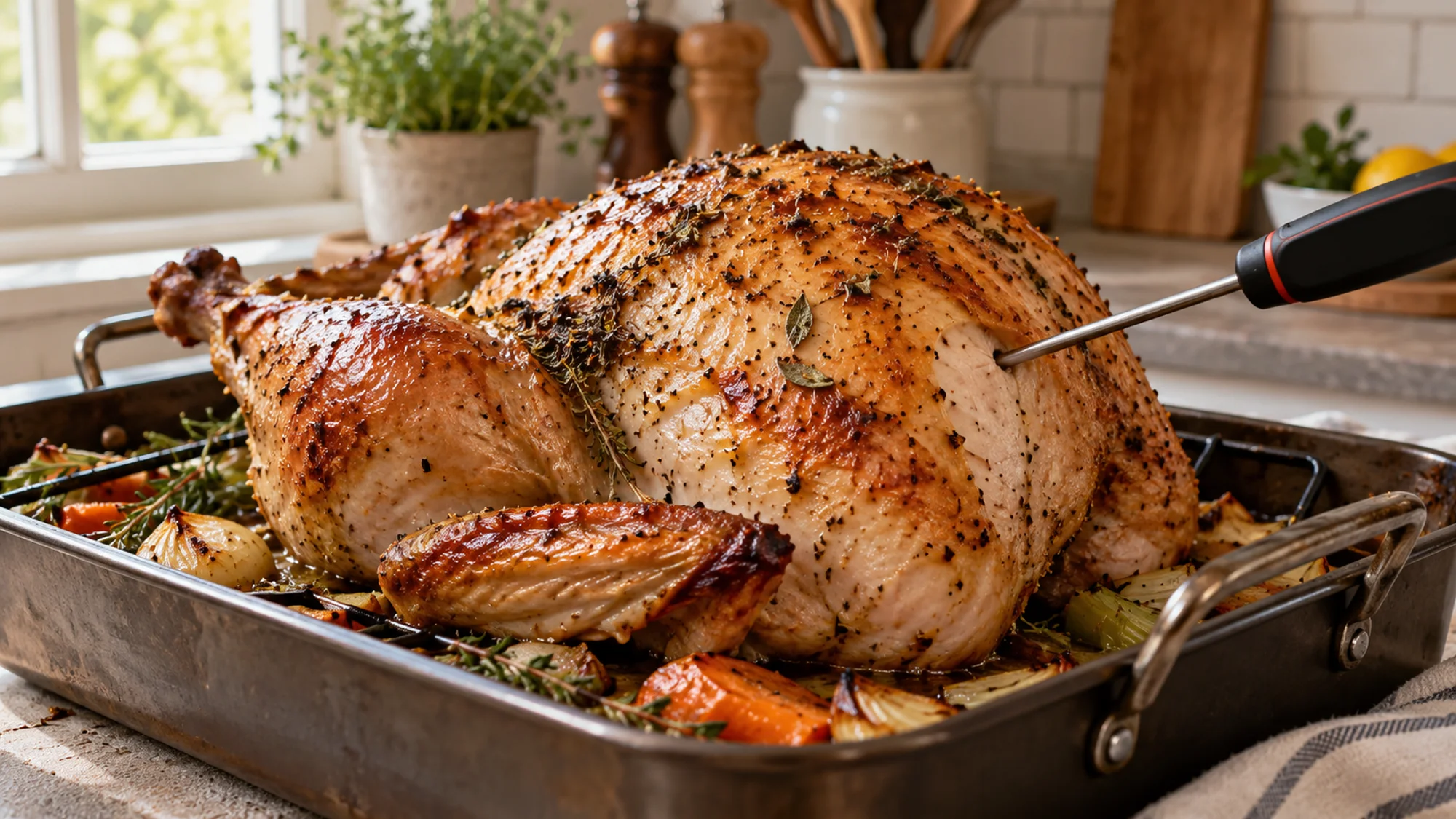
The safe minimum temperature is 165°F for all raw turkey, including ground turkey. Use a food thermometer. For a whole bird, USDA identifies three checking locations: the thickest breast and the innermost thigh and wing. Color and clear-looking juices cannot replace that measurement.
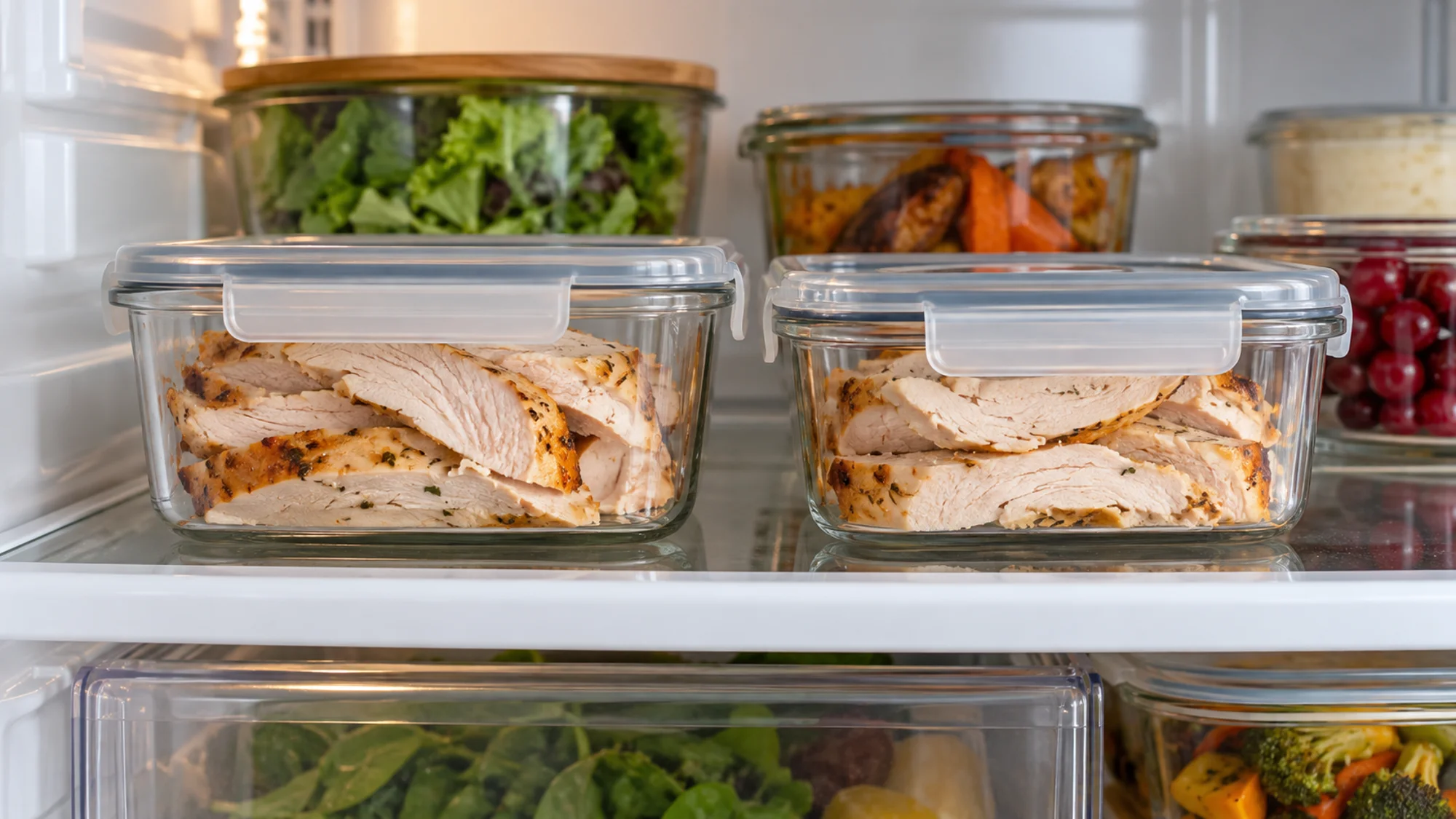
After the meal, divide turkey into smaller portions and refrigerate within two hours; reduce that limit to one hour above 90°F, following FoodSafety.gov’s leftover guidance. Use refrigerated cooked poultry within three to four days and reheat leftovers to 165°F. Freeze portions you cannot use in time.
- Check several places in a large bird, keeping the thermometer away from bone.
- Use clean utensils and a clean plate for the cooked meat.
- Label leftover containers with the preparation date.
- I would portion planned leftovers before serving, so tomorrow’s lunch has a clear place to go.
Bottom Line
Choose turkey meat by cut, label and intended use. Compare like-for-like portions, keep raw poultry contained, cook it to 165°F, and make a prompt storage plan for leftovers. Those decisions matter more than treating every turkey package as the same food.
Butterball’s video demonstrates thermometer placement in a turkey. Use it alongside the USDA minimum of 165°F and check all relevant locations; the video is a placement aid, not a replacement for the safety guidance above.
Sources
- FoodSafety.gov: Cold Food Storage Chart
- FoodSafety.gov: Safe Minimum Internal Temperatures
- USDA: Checking turkey temperature
- UC Master Food Preservers: Let’s Talk Turkey
- FDA: Understanding Nutrition Facts
- FoodSafety.gov: Handling leftovers

Hi, I’m Emily Pocker! I share recipes and food guides here at Recipes360 to help you find everyday meal inspiration and feel more confident in the kitchen. My goal is to make cooking approachable, enjoyable, and full of flavor.