
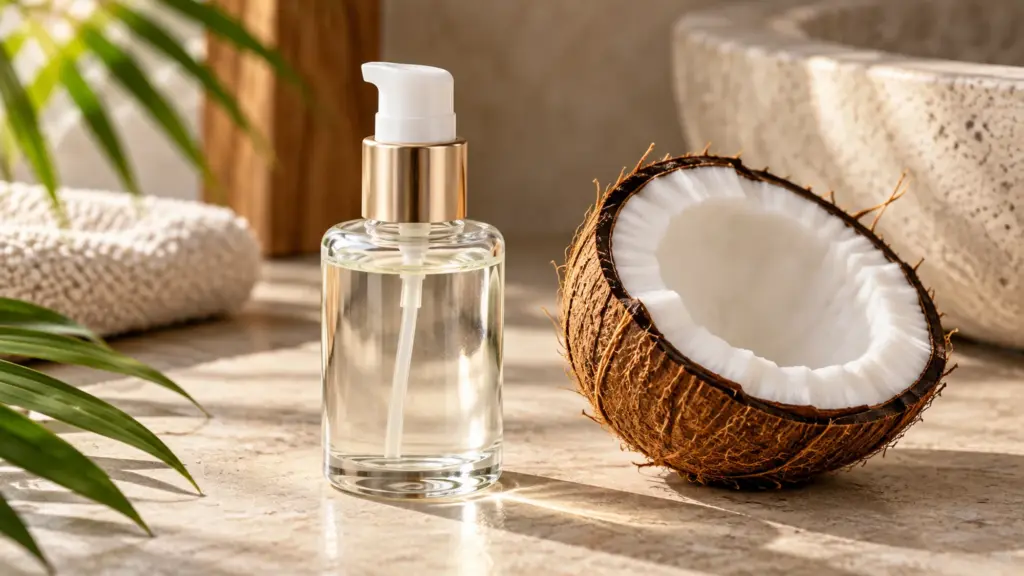
A bottle of fractionated coconut oil can look perfectly at home beside your cooking oils, yet belong in a skin-care cabinet instead. The important distinction is not how clear it looks: it is whether that exact product is intended for food or for external use.
Do not eat fractionated coconut oil sold for cosmetic use. If you want an edible oil, choose a product explicitly labeled for consumption and follow its directions; similar ingredient names do not make two bottles interchangeable.
I would settle that question before comparing price, purity claims or bottle size. A simple label check is more useful here than a long list of supposed benefits, especially when shopping pages place carrier oils and cooking products side by side.
What Fractionated Coconut Oil Means
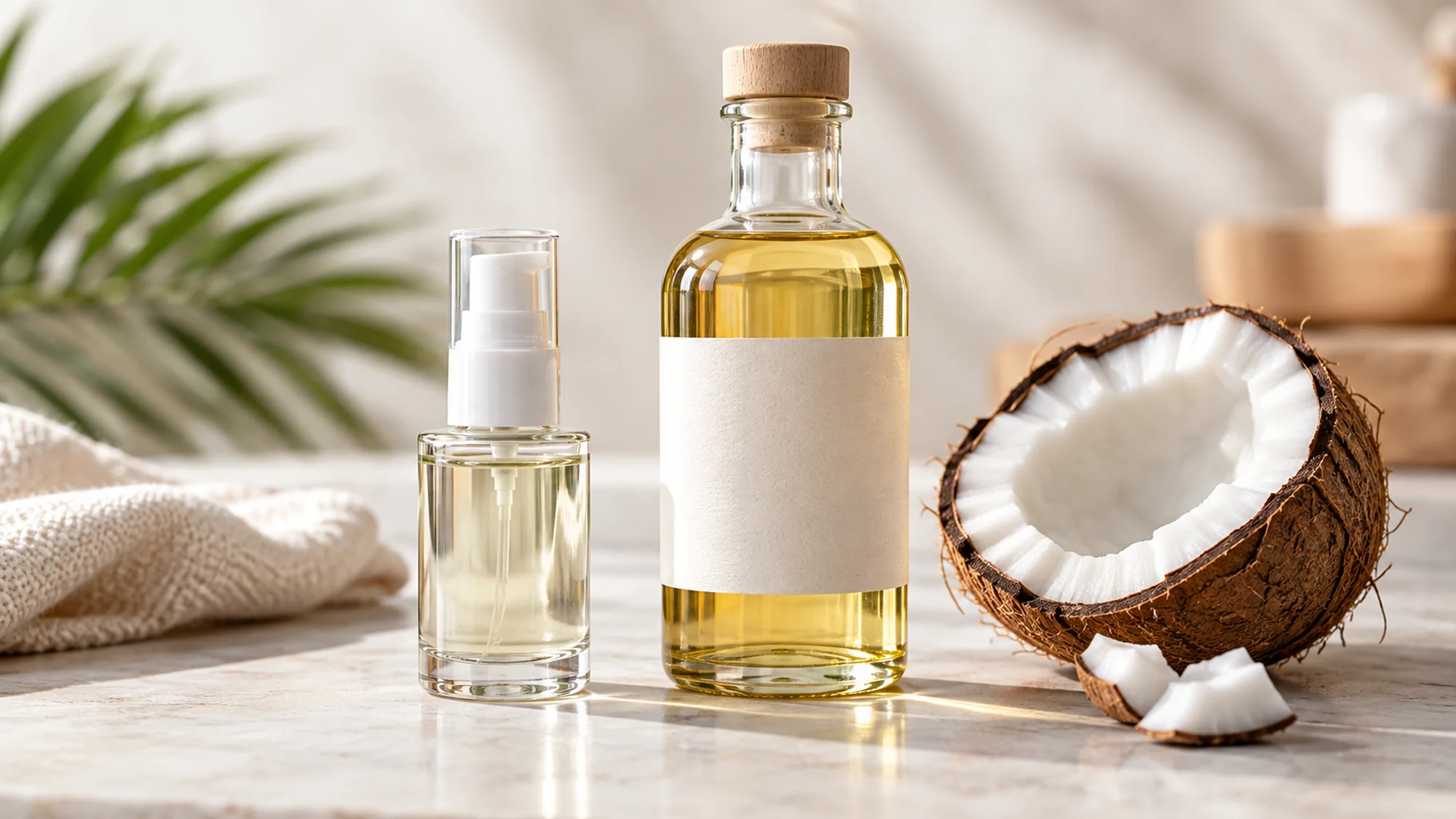
Fractionation separates portions of an oil rather than leaving its original mixture intact. Plant Therapy’s organic carrier oil, for example, lists caprylic/capric triglyceride and describes a coconut-derived product for topical applications. Its directions explicitly say external use only.
- Fractionated describes processing, not permission to swallow the product.
- MCT means medium-chain triglycerides, a group of fats. A shared term is not proof of identical formulations or intended uses.
- Carrier oil commonly indicates a product used on skin or in cosmetic blends; read the directions rather than assuming a culinary role.
The cosmetic product sold as NOW Solutions Liquid Coconut Oil is another example: the manufacturer presents it for skin, hair and topical carrier use. That is a different product category from an edible oil, even though coconut appears in both names.
Read the Intended Use Before the Ingredients
A clear ingredient list is helpful, but it is only one part of choosing a bottle. These distinctions help prevent the most consequential mix-up.
| Product type | What to check | Kitchen decision |
|---|---|---|
| Cosmetic carrier oil | External-use directions and warnings | Do not add to food or drinks |
| Edible MCT oil | Explicit oral-use instructions and facts panel | Follow that product’s serving directions |
| Culinary coconut oil | Food labeling and cooking instructions | Use only for the stated culinary purpose |
| Unclear or repackaged oil | Missing identity or intended-use label | Do not consume; ask the manufacturer |
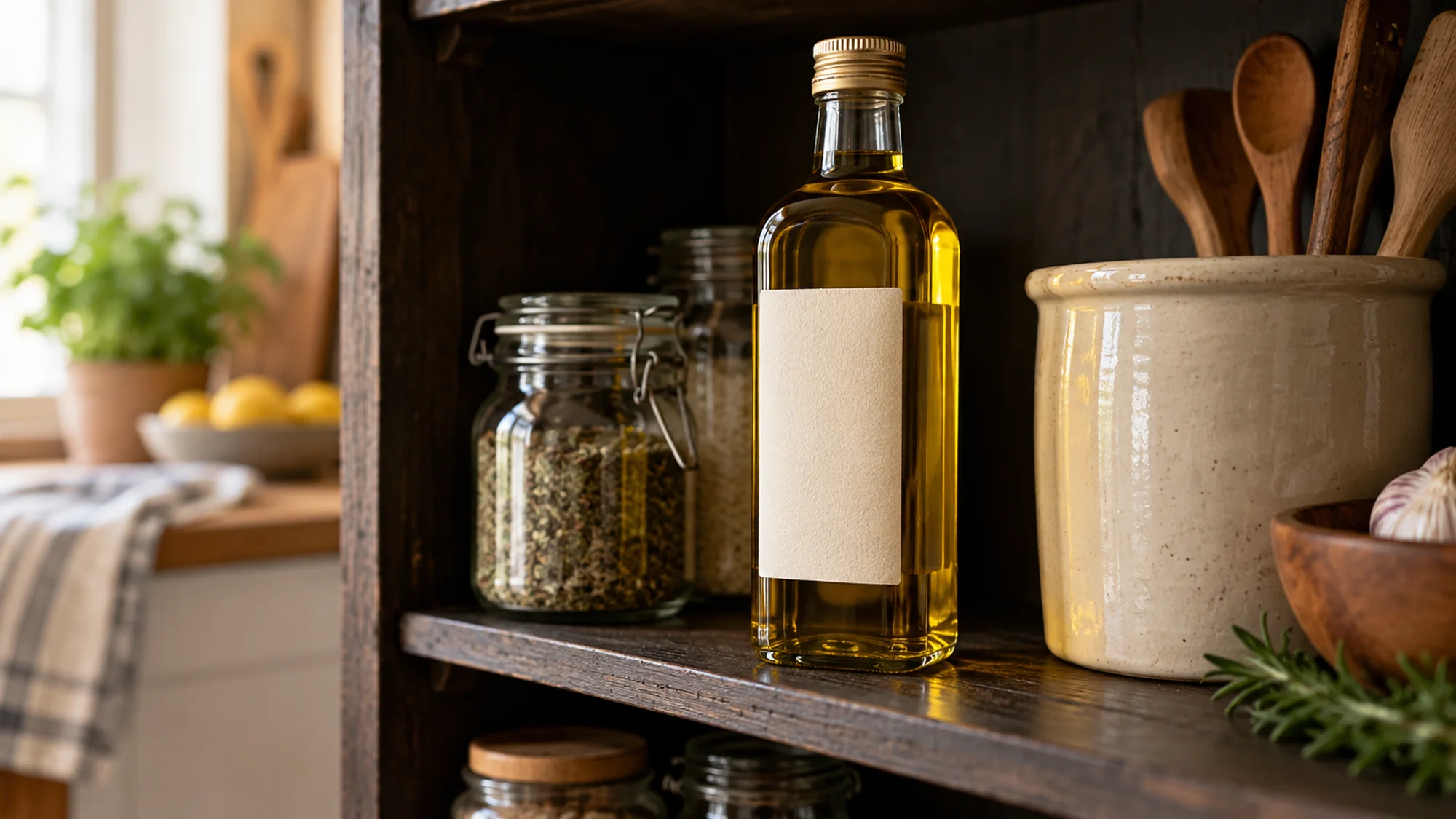
I prefer keeping body-care products out of the pantry altogether. Similar-looking bottles are easy to confuse, and a family member preparing breakfast should not have to solve an ingredient mystery. Keep oils in their original labeled containers rather than transferring them into an anonymous kitchen cruet.
Edible MCT Oil Is a Separate Choice
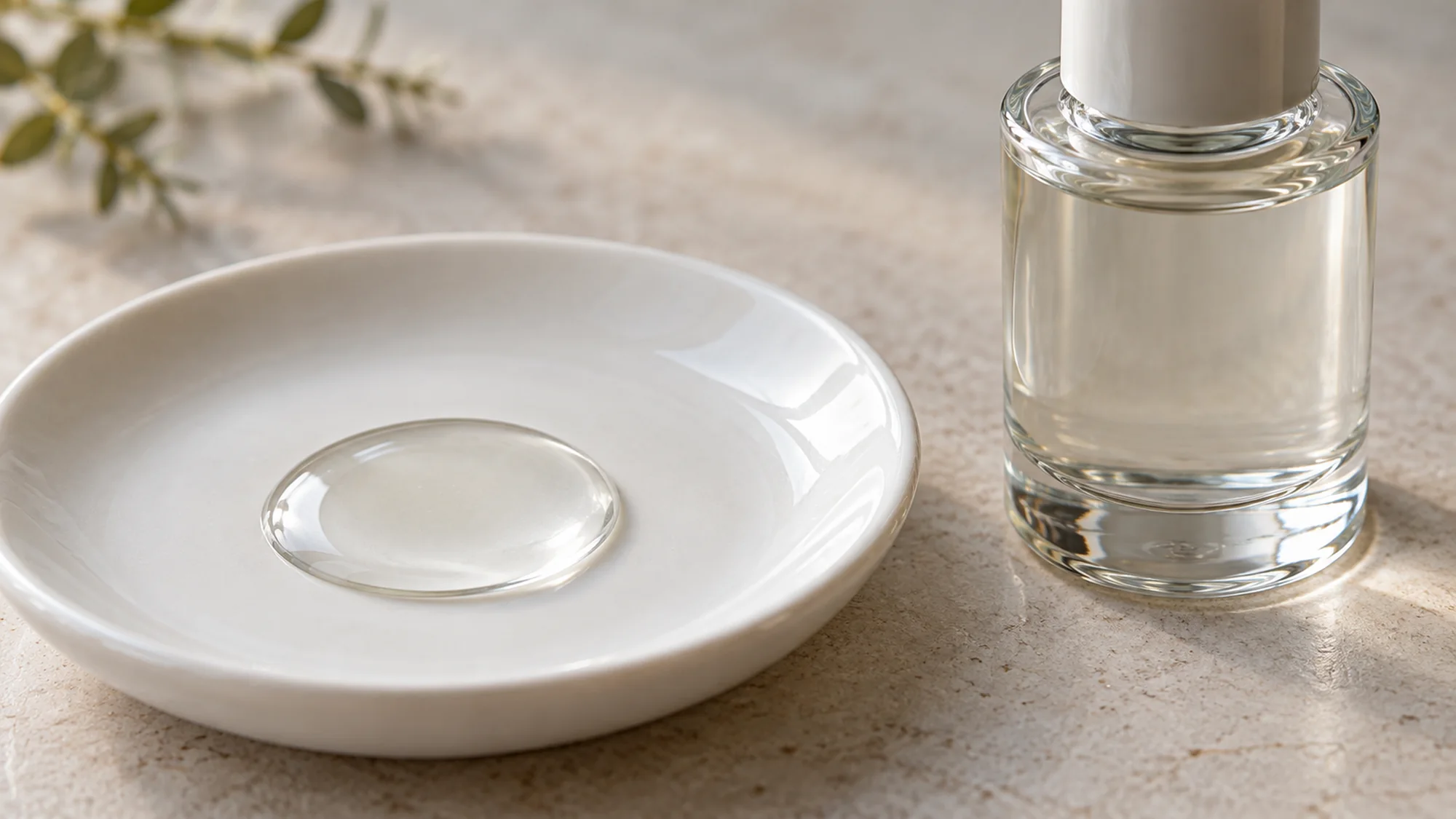
A genuine edible example is NOW Sports MCT Oil. Its manufacturer supplies oral directions, a Supplement Facts panel and a warning about possible digestive upset; the source is coconut/palm kernel oil, showing why even “MCT” does not automatically mean coconut alone.
- It is still fat. This particular label lists 130 calories and 14 grams of fat per tablespoon, not a calorie-free addition to coffee.
- Portion and tolerance matter. Follow the actual label rather than copying a large serving from a social post.
- Cooking suitability varies. This manufacturer does not recommend its MCT oil for frying. Do not assign every liquid oil the same heat tolerance.
- More is not automatically better. Adding oil to an existing meal is different from substituting it for another ingredient.
I would choose an edible oil for a clear culinary purpose, not because a name promises effortless weight loss. A manufacturer’s product description can establish ingredients and directions, but it does not establish that you personally need a supplement or will achieve a particular health outcome. For an everyday cooking comparison, see our guide to olive oil and extra virgin olive oil.
Shopping, Storage and Everyday Boundaries
Before buying, decide whether you need a cosmetic product, a cooking ingredient or a dietary supplement. Then compare products within that category, including the amount supplied, directions and warnings. A large inexpensive carrier-oil bottle is not a bargain substitute for food-grade oil.
- Check the exact listing. A familiar brand may sell both cosmetic and edible oils; the brand name alone does not identify the product.
- Keep the original information. Retain the container, ingredients, lot details and storage instructions so you can check them later.
- Follow product-specific storage advice. For the NOW edible example, the directions call for a tightly sealed original container in a cool, dry, dark location.
- Respect medical restrictions. If you are under medical care or considering a supplement while pregnant, nursing or taking medication, discuss it with your clinician.
Do not use appearance, smell or a claimed purity percentage to decide that a cosmetic bottle is edible. If its intended use is unclear, leave it out of food. If someone swallows a product labeled for external use, seek advice from poison control rather than treating it as an ordinary cooking ingredient.
Bottom Line
The practical rule is straightforward: cosmetic fractionated coconut oil stays out of food. Choose an explicitly edible product for the kitchen, read its own label, and do not turn shared chemistry into a safety guarantee.
Plant Therapy’s video below demonstrates cosmetic carrier-oil uses. It is included to clarify that product category, not to recommend ingesting it.
Sources
- Plant Therapy: ingredients and external-use directions
- NOW Solutions: cosmetic liquid coconut oil
- NOW Sports: edible MCT oil facts and directions

Hi, I’m Emily Pocker! I share recipes and food guides here at Recipes360 to help you find everyday meal inspiration and feel more confident in the kitchen. My goal is to make cooking approachable, enjoyable, and full of flavor.