

A comfortable meal can end with a waistband that suddenly feels too tight. What causes bloating varies: swallowed air, the breakdown of some carbohydrates, constipation, food intolerances, and changes in how the gut senses or moves its contents can all contribute. One uncomfortable afternoon cannot identify the cause on its own.
Start with the pattern, not a forbidden-food list. Notice meals, eating pace, bowel habits and other symptoms; persistent or worsening bloating deserves medical attention.

What Causes Bloating Besides Extra Gas?
Bloating means a sensation of fullness, pressure or swelling. Distention means your abdomen actually becomes larger; the two do not always happen together. The NIDDK explanation of gas symptoms describes two normal gas sources: air you swallow and gas made when intestinal bacteria break down carbohydrates that were not fully digested earlier.
More gas is only part of the picture. The American Gastroenterological Association explains that gut sensitivity, slower movement and problems coordinating abdominal muscles can also matter. Constipation and IBS are possible contributors, but symptoms overlap. Feeling bloated does not establish that you have either condition, an intolerance or bacterial overgrowth.
- After rushing a meal: extra swallowed air is one possibility, especially with frequent burping.
- With difficult bowel movements: discuss constipation rather than treating every episode as a food reaction.
- Around a menstrual period: timing can be relevant context; mention it when describing a recurring pattern.
Food Clues Worth Noticing
The useful question is whether a food repeatedly bothers you, in the amount you eat. NIDDK’s diet guidance lists certain fruits, legumes, dairy foods and sugar alcohols among possible gas contributors. These foods affect people differently. Dairy-related symptoms may involve lactose digestion; they do not automatically mean milk allergy.
| Possible clue | What to note | Reasonable next step |
|---|---|---|
| Fizzy drinks or rushed meals | Burping and eating pace | Try still water and a slower meal |
| A sudden fiber increase | Portion and recent diet changes | Increase gradually rather than all at once |
| Dairy foods | Food type, amount and symptoms | Ask about lactose intolerance if recurrent |
| Sugar-free sweets | Sweeteners such as sorbitol | Compare labels and your symptom notes |
| Constipation | Stool changes and discomfort | Discuss a suitable management plan |
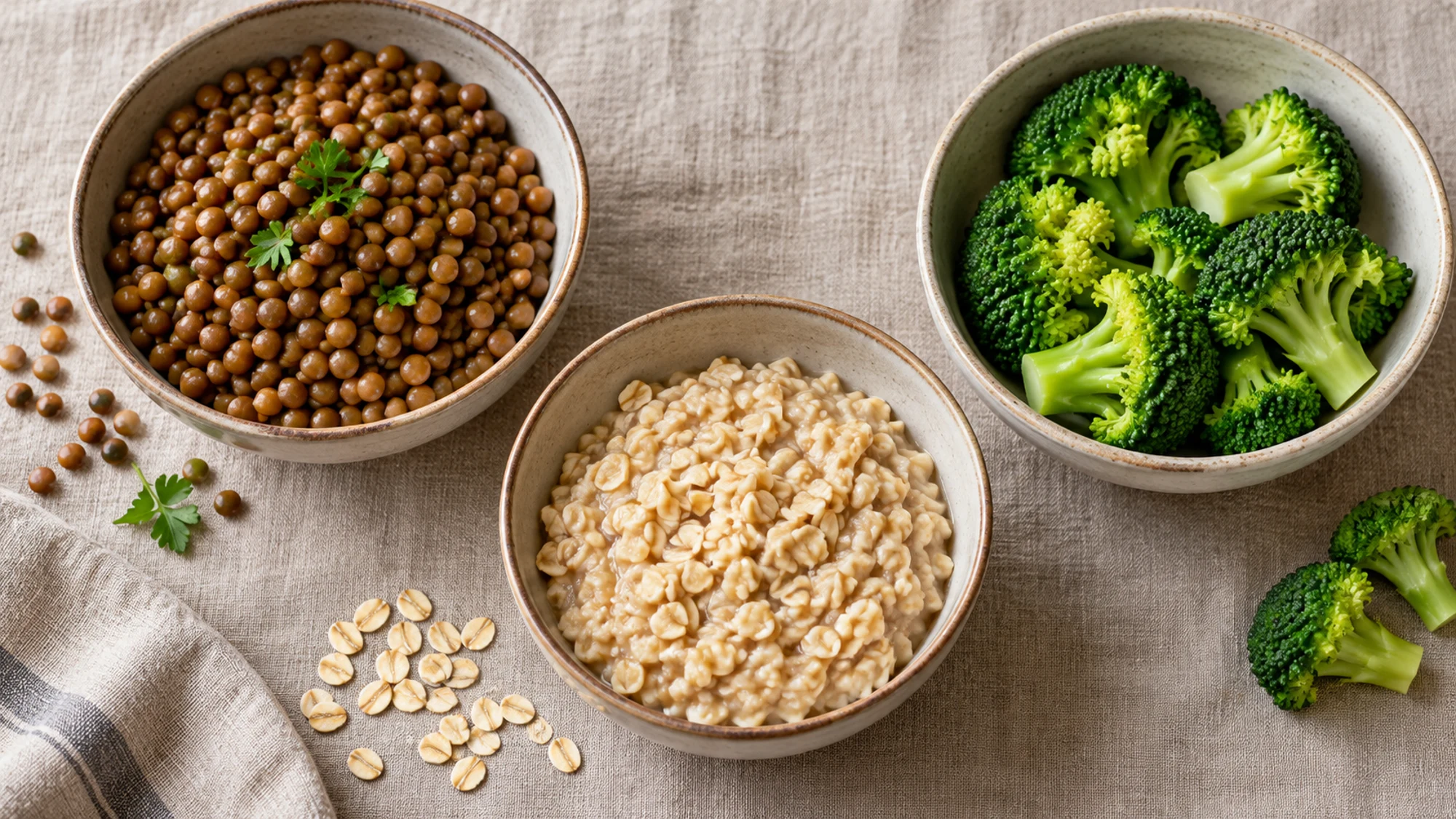
I would keep beans and vegetables on the menu while working out the pattern, rather than clearing out whole food groups after one episode. Mayo Clinic’s food guidance recommends increasing fiber gradually. A small serving and a large bowl are different experiences; writing down the amount is more informative than naming the ingredient alone.
Small Changes Before a Restrictive Diet
Begin with manageable habits: sit down to eat, take your time and consider smaller meals if large ones leave you uncomfortable. NIDDK also suggests limiting gum and fizzy drinks when swallowed air is an issue. Keep the experiment simple enough that you can tell what changed.
- Use a brief diary: record food, drink, rough portions, timing, bowel movements and symptoms. Bring it to an appointment.
- Change one habit at a time: replacing a fizzy drink is easier to interpret than changing every meal and starting supplements together.
- Keep a varied diet: ask a dietitian for help before broad exclusions or a low-FODMAP trial.
- Review ongoing symptoms: treatment depends on the contributor; an internet checklist cannot choose the right medicine.
My preference is a useful note, not a perfect spreadsheet. “Large lunch, ate quickly, uncomfortable afterward” gives a clinician more context than “food is the problem.” If you are considering a probiotic, our guide to probiotic benefit claims explains why product promises need a more specific question.

When to Get Medical Help
Arrange medical assessment for regular, persistent or worsening bloating, particularly with unexplained weight loss or blood in the stool. The NHS bloating guidance also advises urgent help for symptoms such as vomiting, fever, a new abdominal lump, or inability to pass stool or gas. Do not keep extending a food experiment while symptoms worsen.
- Emergency signs: seek emergency care for sudden severe abdominal pain with a swollen abdomen, vomiting blood or material like coffee grounds, or severe breathing difficulty.
- Prepare for the visit: bring your symptom notes and a list of medicines and supplements. Mention new bowel changes and when the bloating started.
Bottom Line
Bloating has several possible contributors, and the answer is not always a single ingredient. A slower meal and a clear symptom pattern are sensible starting points; continuing discomfort needs an individual assessment. I would choose that clarity over another long list of foods to avoid.
Gastro Girl’s discussion with Mayo Clinic gastroenterologist David J. Cangemi explains possible contributors and when to seek care.
Sources
- NIDDK: Gas symptoms and causes
- NIDDK: Eating and gas symptoms
- AGA: Belching, bloating and distention
- Mayo Clinic: Food and bloating
- NHS: Bloating and warning signs

Hi, I’m Emily Pocker! I share recipes and food guides here at Recipes360 to help you find everyday meal inspiration and feel more confident in the kitchen. My goal is to make cooking approachable, enjoyable, and full of flavor.