
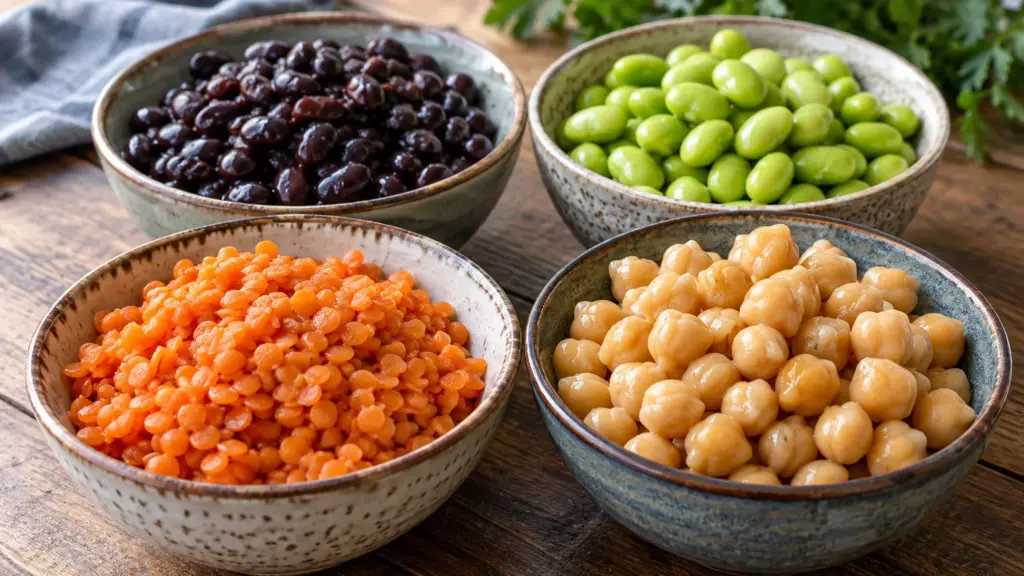
A bag of lentils, a tin of chickpeas and a handful of peanuts do not look especially related. So what are legumes? They belong to the same broad botanical family, and understanding the smaller groups makes shopping, cooking and nutrition advice much easier to follow.
Legumes are the broad family; pulses are one part of it. Start with a familiar bean, pea or lentil and choose the form that suits the meal you want to make.
The term can describe the plants and, in everyday food conversation, their edible seeds. It does not mean that every legume has the same flavor, cooking method or nutrient profile. A crunchy peanut is not a direct substitute for a spoonful of soft lentils simply because both belong to the family.
What are legumes, and which foods count?
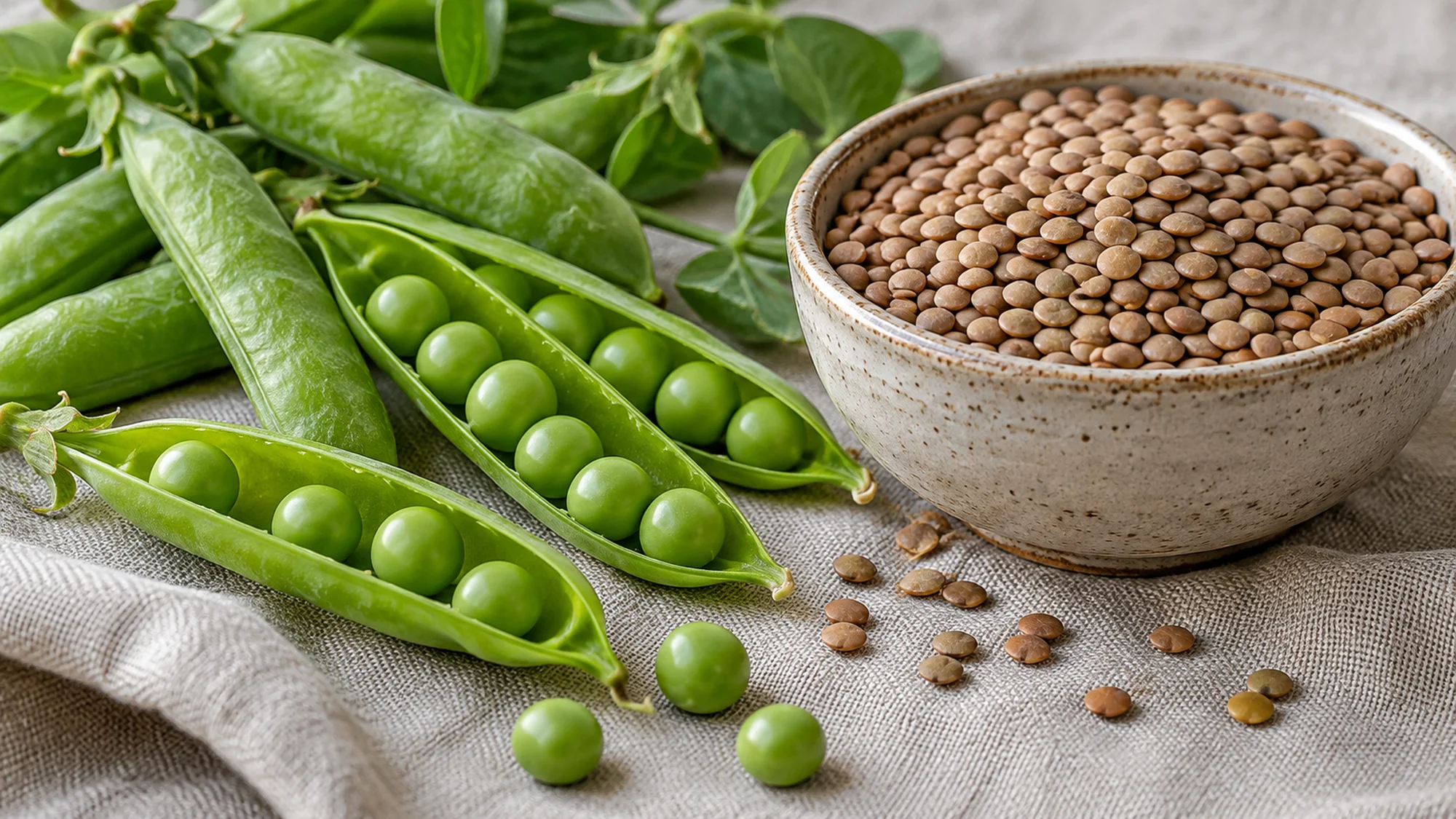
Legumes are plants in the Fabaceae family. Familiar edible examples include beans, peas, lentils, chickpeas, soybeans and peanuts. The European Commission’s definitions resource explains the distinction between the broad botanical group and the narrower food categories used in dietary guidance.
| Food | Legume? | Useful distinction |
|---|---|---|
| Chickpeas and dried beans | Yes | Usually classed as pulses |
| Lentils and split peas | Yes | Pulses harvested for dry seeds |
| Green peas and green beans | Yes | Fresh vegetables, not dry pulses |
| Soybeans and edamame | Yes | Soybeans; edamame is the immature form |
| Peanuts | Yes | Botanically legumes, not tree nuts |
Botanical families describe plant relationships; supermarket shelves describe how people use foods. Peanuts can sit beside almonds in the snack aisle without becoming tree nuts. Likewise, a green bean can count as a vegetable on your plate and still come from a legume plant.
Legumes versus pulses: a smaller circle
FAO distinguishes pulses from other legumes. “Pulse” is the more specific word for crops harvested for their dry edible seeds, such as lentils, dried peas, chickpeas and dry beans. Fresh green peas and beans fall outside that dry-seed category. Soybeans and peanuts are generally excluded from pulses because they are primarily classified as oil crops.
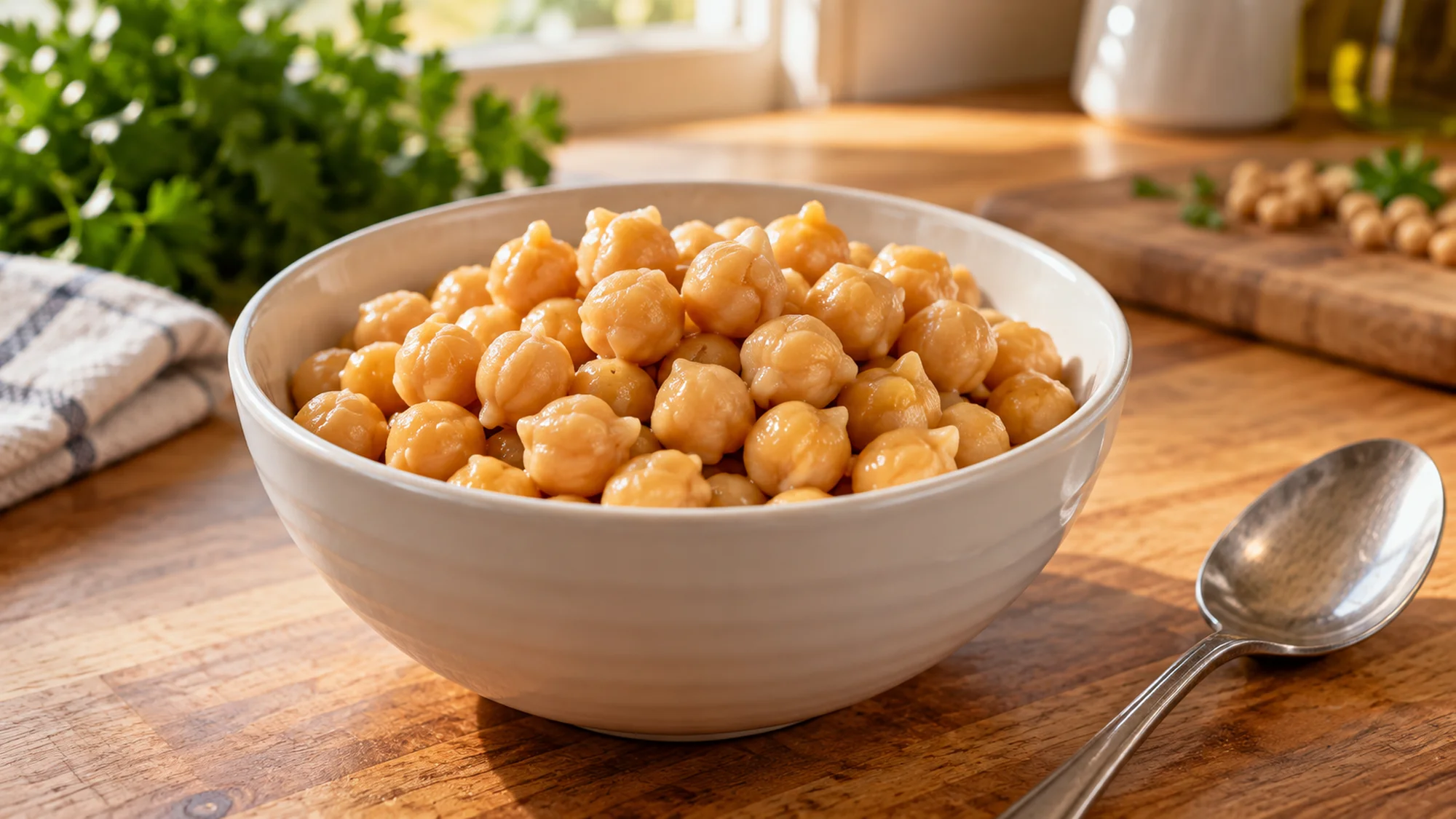
- Dry describes the crop: a cooked or canned chickpea still comes from a pulse. Putting it in a tin does not change its plant family.
- The names overlap: all pulses are legumes, but not all legumes are pulses.
- Recipes use everyday language: a “bean salad” might contain several different beans. Read the ingredient list rather than expecting a botanical lesson from the title.
The distinction helps when an article claims something about “all legumes” based only on one kind of bean, or when you compare a pulse with a very different soy food.
What they add to a meal
Cooked dry beans provide protein, carbohydrate, fiber, B vitamins and minerals such as iron, according to University of Maine Cooperative Extension. That combination makes them useful pantry ingredients, not just something to add after the rest of dinner is planned.
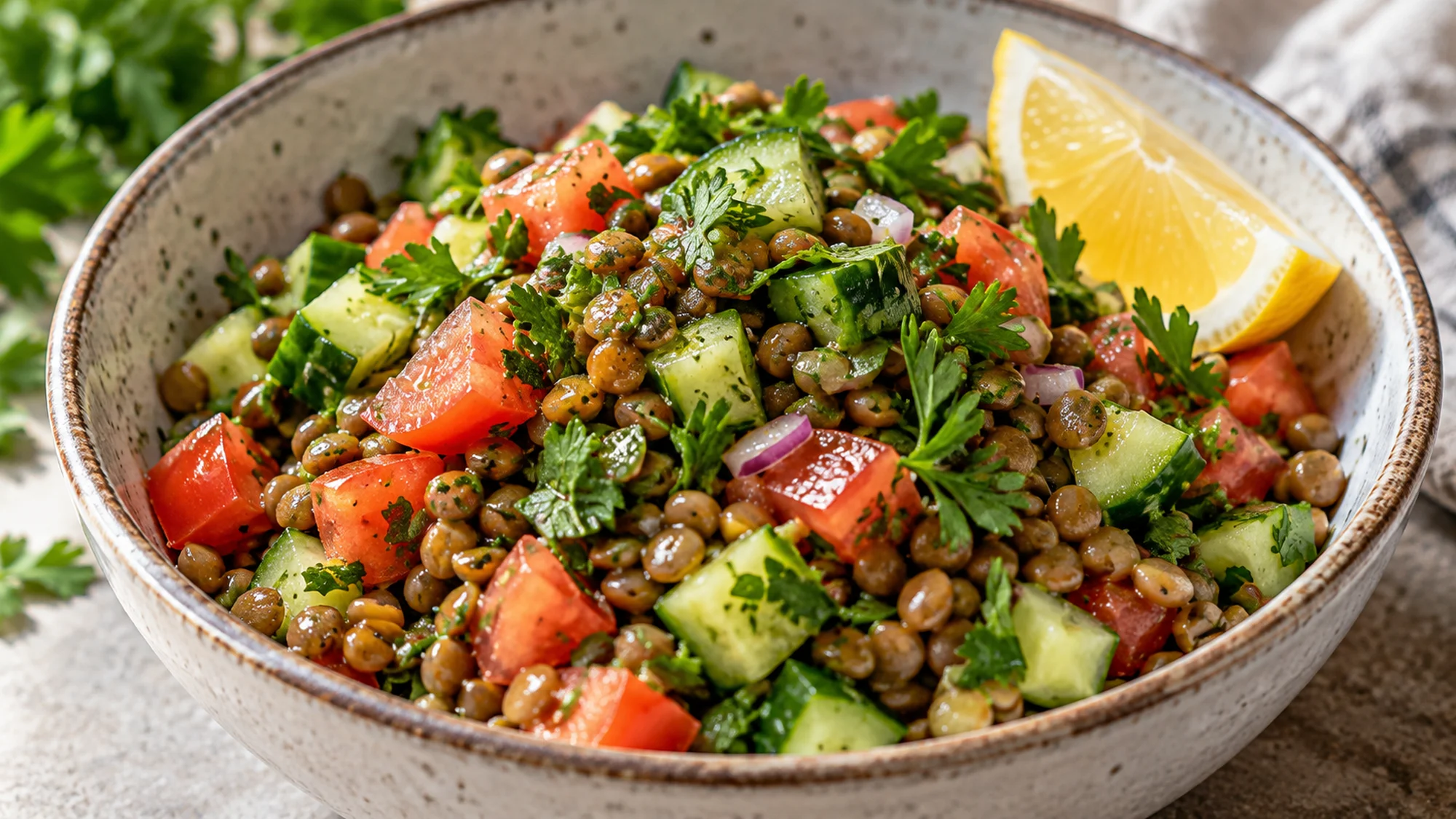
- For a more substantial salad: add cooked lentils or chickpeas to vegetables and a dressing you enjoy.
- For a softer texture: mash cooked beans into a spread, or blend part of a bean soup. Keep some whole if you like contrast.
- For a quick meal: canned beans remove the soaking and cooking step. Read the label if sodium is a concern.
- For accurate comparisons: compare cooked portions with cooked portions. A dry measure and a cooked measure contain different amounts of water.
Do not transfer one bean’s nutrition numbers to the whole family. Peanuts, tofu, green beans and cooked lentils are different foods, and sauces or added ingredients change the finished dish further. Ask what this particular food contributes to this particular meal.
Choose a form you will actually use
I would begin with convenience rather than a cupboard full of unfamiliar bags. One can of beans or one small bag of lentils is enough to find out which texture works for you. The goal is an ingredient you reach for, not a pantry project you keep postponing.
- Canned beans or chickpeas: drain and rinse when appropriate; rinsing can remove some added sodium. Choose no-salt-added versions if that suits your needs.
- Dried lentils and split peas: they generally do not require soaking. Follow the package’s cooking instructions and check tenderness rather than guessing from a different variety.
- Other dried beans: follow a reliable bean-specific preparation method. Do not assume all beans cook like lentils or eat dried beans uncooked.
- A gentler introduction: if you are not used to beans, try a small amount and increase gradually. Maine Extension suggests this approach to help with gas as fiber intake changes.
Preparation guidance: Maine Extension’s legume bulletin. Allergy is separate from ordinary digestive adjustment: peanuts and soybeans are major food allergens identified by the FDA, and other legumes can also cause reactions. Read ingredient labels and follow your allergy plan; do not test a suspected allergy by trying a smaller serving.
Bottom Line
Legumes include beans, peas, lentils, chickpeas, soybeans and peanuts; pulses are the dry-seed subgroup. For cooking, choose one type, use the correct preparation method, and match its texture to the dish rather than treating every family member as interchangeable.
Sources
- European Commission: definitions of legumes and pulses
- FAO AGROVOC: legumes
- University of Maine Extension: dried beans, peas and lentils
- University of Maine Extension: selection and preparation of legumes
- FDA: food allergies and major allergens

Hi, I’m Emily Pocker! I share recipes and food guides here at Recipes360 to help you find everyday meal inspiration and feel more confident in the kitchen. My goal is to make cooking approachable, enjoyable, and full of flavor.