
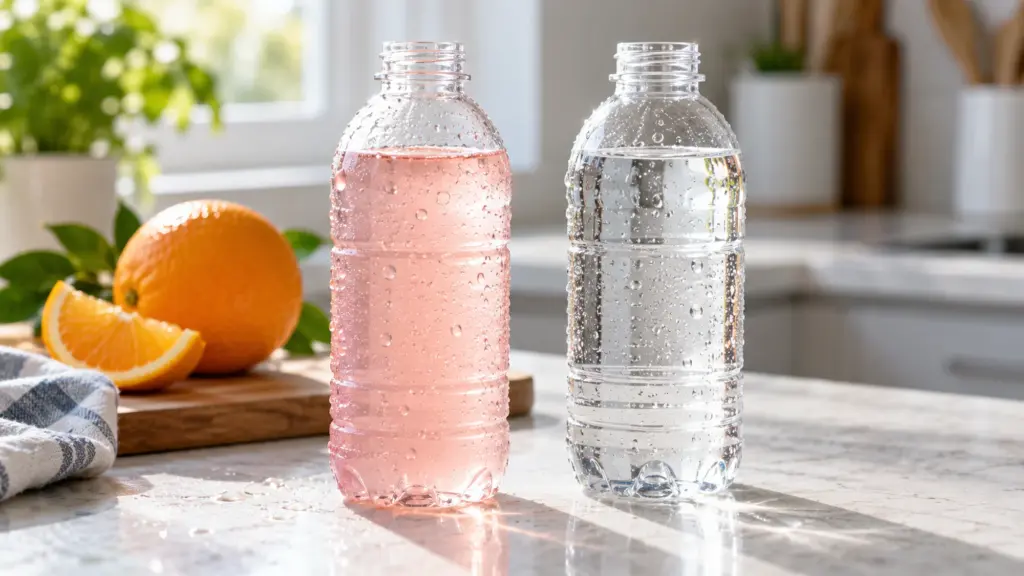
The vitamin numbers on a bottle can make an ordinary drink look like a shortcut to eating well. But is vitamin water good for you? The useful answer starts with which version you buy, how much you drink, and what it replaces—not the biggest percentage printed on the label.
Choose a flavored drink for its taste, not a health halo. Check added sugar first, and let ordinary water remain an easy everyday option.
Here, “vitamin water” refers to Coca-Cola’s vitaminwater range sold in the United States. Other brands, countries, flavors and bottle sizes can have different formulas. Treat the label on your own bottle as the final check; the examples below illustrate how much the choice can change.
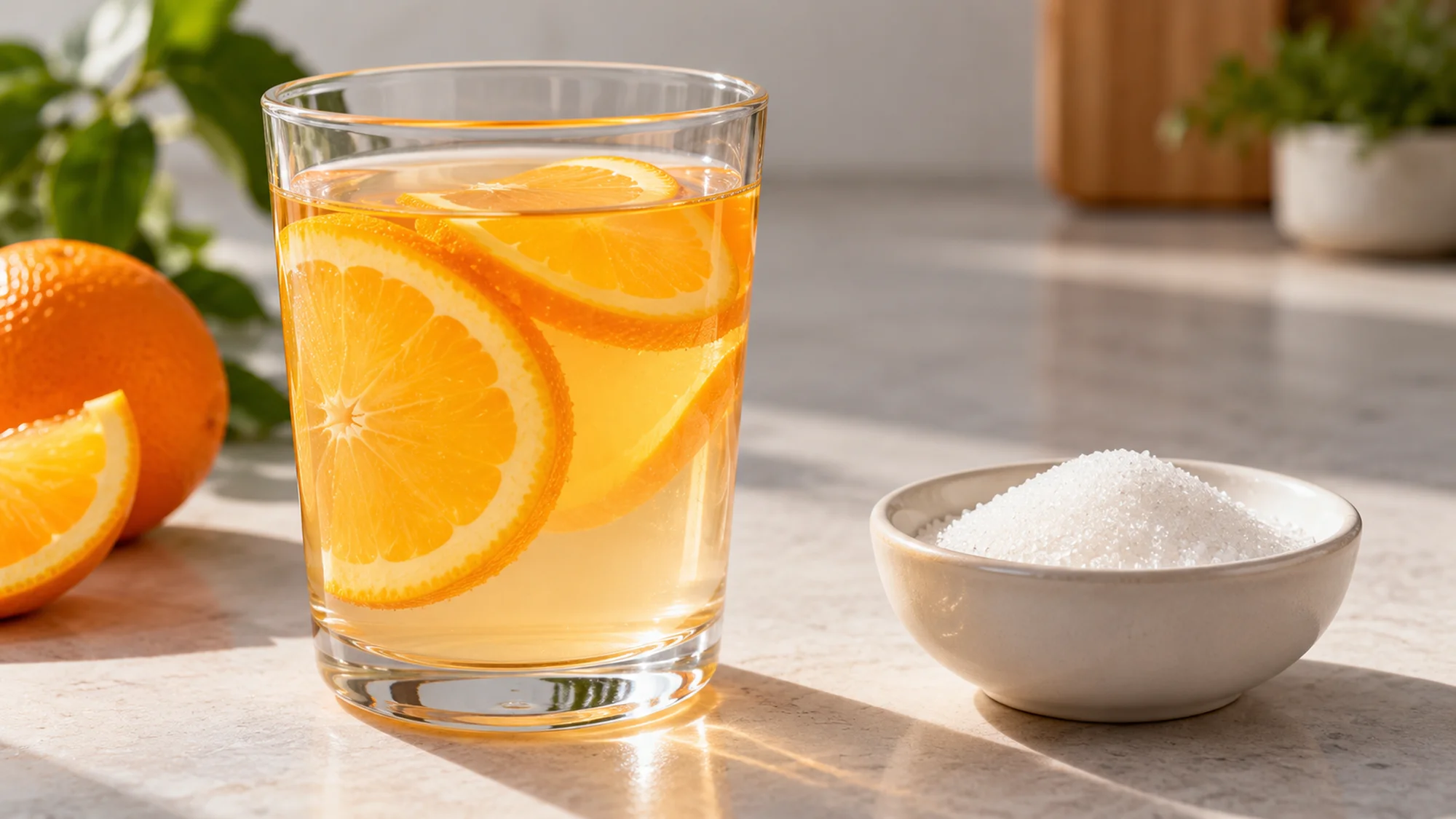
Is vitamin water good for you compared with plain water?
It can contribute fluid, but added vitamins do not make a sweetened drink automatically preferable to water. The CDC notes that water has no calories and that replacing sugary beverages with it can reduce calorie intake. That is a straightforward benefit, without requiring a special bottle.
- For everyday thirst: plain water is a simple starting point. A chilled glass, reusable bottle or citrus wedge can make the habit more appealing.
- For a sweet flavor: compare regular and zero-sugar versions rather than assuming they are nutritionally interchangeable.
- For a particular medical or sports need: do not infer suitability from “vitamin” or “electrolytes” on the front. The amounts and your circumstances matter.
Regular and zero sugar are different choices
The manufacturer’s US labels give a useful same-size comparison. Both examples here are one 20-fl-oz bottle, not a small glass. These figures describe the named XXX açai-blueberry-pomegranate products; they are not averages for the whole range.
| Drink, 20 fl oz | Calories | Added sugar |
|---|---|---|
| Regular vitaminwater XXX | 100 | 26 g (52% DV) |
| vitaminwater zero sugar XXX | 0 | 0 g (0% DV) |
| Plain water | 0 | 0 g |
Sources: regular product label and zero-sugar product label. The zero-sugar XXX ingredient list includes stevia leaf extract and monk fruit extract. Do not assume another flavor uses exactly the same sweeteners or has identical calories.
- Read the serving size: compare equal volumes, then consider the amount you actually plan to drink.
- Find “Includes Added Sugars”: this is part of total sugars, not an extra quantity to add on top.
- Use the percentage as context: FDA considers 20% Daily Value or more high. Regular XXX’s 52% is therefore a substantial contribution, even though vitamins are also present.
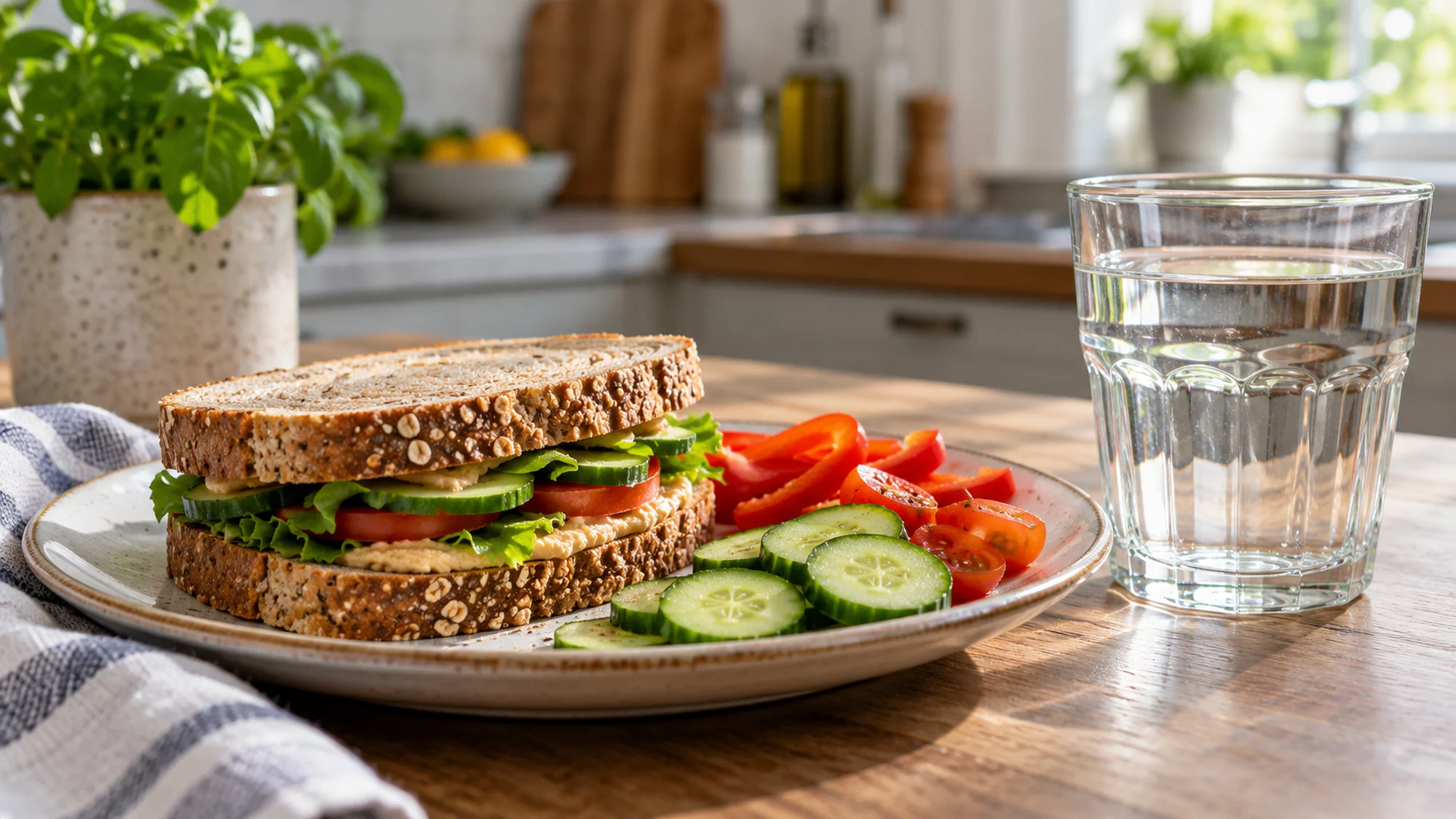
Vitamins do not replace the rest of a meal
Fortification means nutrients have been added; it does not establish that you personally need more of them. A large vitamin percentage also is not a promise of better energy, immunity or overall health. It is one piece of information, not a verdict on the whole drink.
The NIH Office of Dietary Supplements explains that even multivitamin supplements cannot replace the variety of foods important to a healthy diet. Vitaminwater is a beverage rather than a multivitamin, but the practical distinction is useful: a bottle should not stand in for lunch or a varied eating pattern.
- Keep meals in the picture: vegetables, fruit, beans, whole grains and other foods offer more than a few highlighted micronutrients.
- Look at the whole label: protein, fiber, sugars and ingredients tell a different story from the front-panel name.
- Avoid stacking by habit: if you take supplements or have clinician-directed nutrient limits, check the combined amounts with a qualified professional rather than choosing the highest percentages.
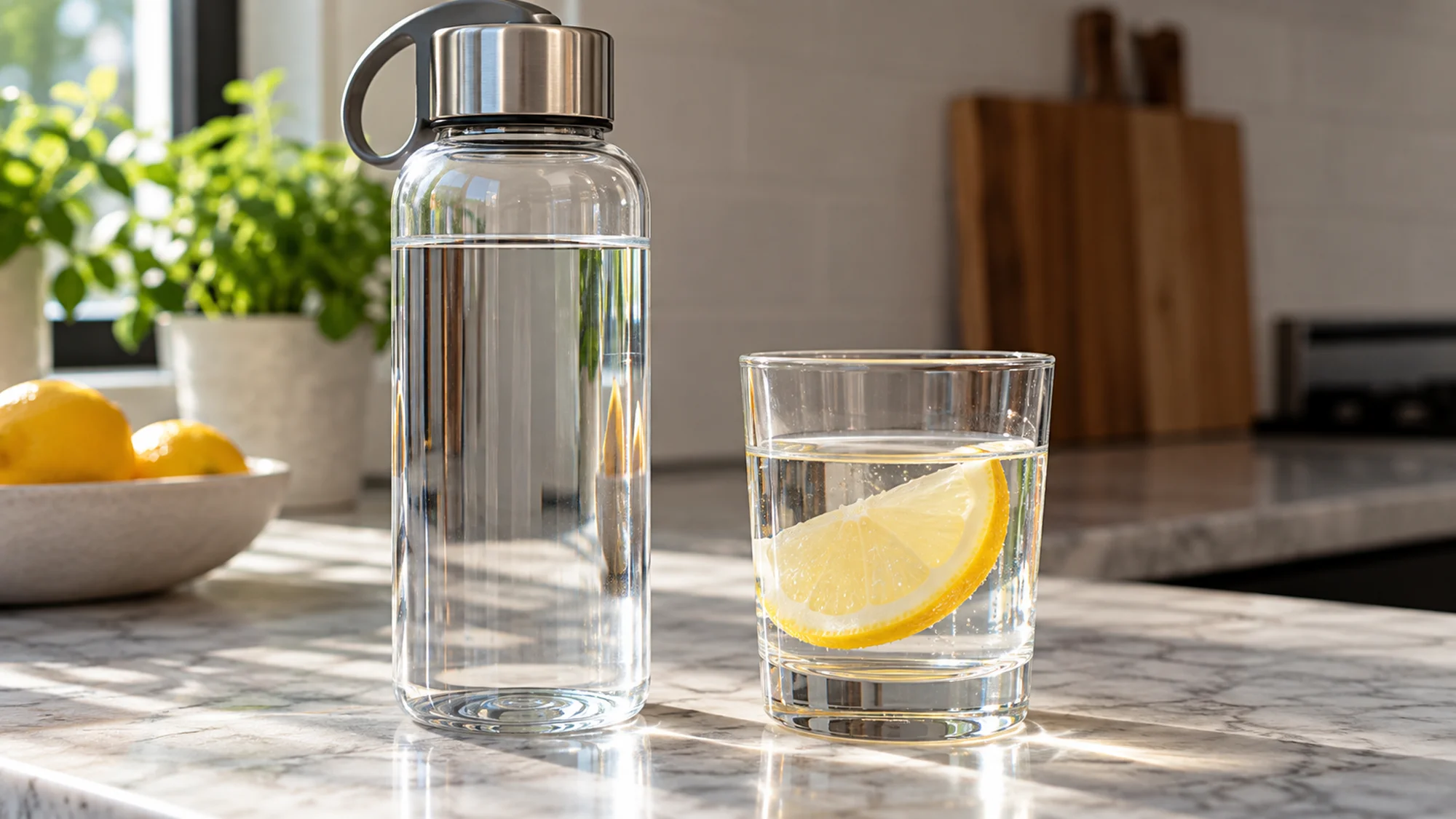
A practical way to decide at the store
I would separate two questions: “Will I enjoy this?” and “Am I buying a benefit the label actually establishes?” Enjoying a flavored beverage is a reasonable preference. Paying extra because it sounds like nutritional insurance is a different decision.
- If you want less added sugar: zero sugar removes the added sugar shown in the regular example. That does not turn it into a treatment or guarantee a long-term health result.
- If regular is your favorite: think about frequency and bottle size. You do not need to label one drink “bad” to notice how it fits with your other choices.
- If flavor is all you need: try unsweetened sparkling water or water with a lemon wedge. Compare the actual ingredient lists rather than the color of the drink.
- If caffeine matters: check the specific flavor. Do not assume every product under one brand is caffeine-free.
Keep the decision modest. A beverage can be pleasant without being essential, and plain water does not become an inferior choice because its label has fewer selling points.
Bottom Line
Vitaminwater can be an occasional flavored drink, but regular and zero-sugar versions deserve separate judgments. Start with the bottle’s added sugar, serving size and ingredients. For routine hydration, ordinary water remains a practical default; choose any fortified drink because it fits your preferences and needs, not because vitamins erase every other trade-off.
Sources
- Coca-Cola US: regular vitaminwater product labels
- Coca-Cola US: vitaminwater zero sugar product labels
- FDA: understanding added sugars and Daily Value
- CDC: water and healthier drinks
- NIH: multivitamin/mineral supplements and varied diets

Hi, I’m Emily Pocker! I share recipes and food guides here at Recipes360 to help you find everyday meal inspiration and feel more confident in the kitchen. My goal is to make cooking approachable, enjoyable, and full of flavor.