

The freezer aisle can turn a simple wish for a cold, creamy dessert into a comparison project. One carton advertises protein, another skips dairy, and a third looks like the vanilla you actually came for. Healthy ice cream is less about finding a perfect pint than understanding which differences matter to you.
Choose ice cream by the portion, ingredients, and nutrition that fit your needs—not by one impressive claim on the lid. Regular ice cream can belong in an enjoyable, varied eating pattern.
I would start with the flavor and texture you want, then narrow the choices for any dietary needs. A dessert does not need to double as a supplement to earn a place at the table.
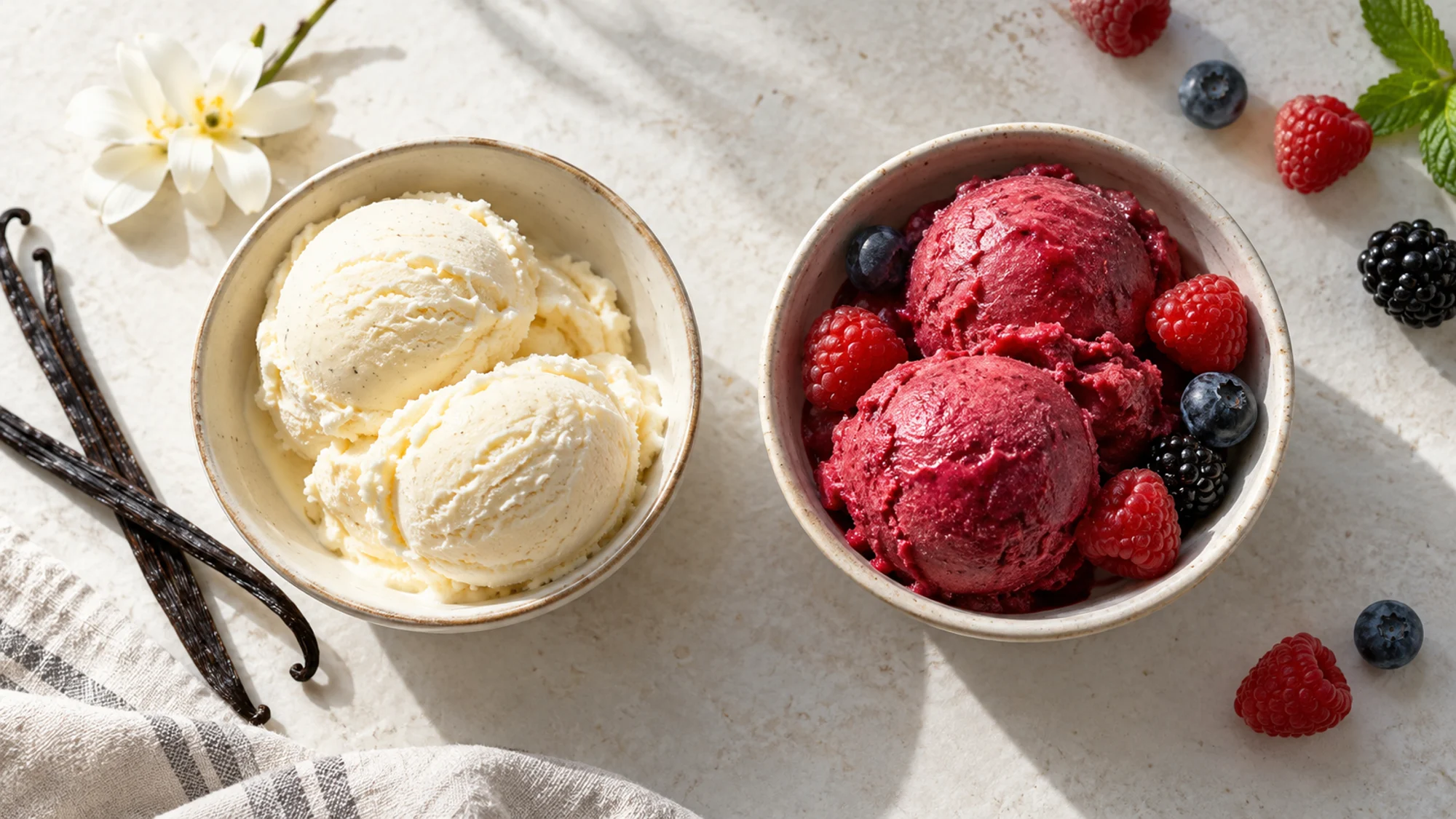
What Healthy Ice Cream Can—and Cannot—Tell You
A lower-sugar product is not automatically lower in saturated fat. A dairy-free one is not automatically higher in protein. These are separate questions, and the FDA’s Nutrition Facts guidance recommends comparing products using the same serving size.
- Start with the serving: the label describes a typical amount eaten, not a personalized prescription. Check servings per container before comparing a scoop with a whole pint.
- Read beyond calories: saturated fat, added sugars, and protein tell you different things. A single number cannot summarize the whole dessert.
- Keep preference in the picture: if a substitute has a texture you dislike, it may not be the useful swap its packaging suggests.
Make a like-for-like comparison first; then decide which differences are useful for your own bowl.
Compare the Frozen Dessert, Not Just Its Name
Use this as a shopping checklist rather than a ranking. Recipes differ within every category, so the package in your hand has the final word. In Cleveland Clinic’s discussion with dietitian Julia Zumpano, low-sugar, high-protein, and dairy-free options are considered separately instead of treated as interchangeable upgrades.
| Choice | Potential reason to choose it | What still needs checking |
|---|---|---|
| Regular ice cream | Creamy dairy flavor you enjoy | Serving size, saturated fat, added sugars |
| Frozen yogurt | Tangier flavor | Added sugars and the actual protein amount |
| Dairy-free frozen dessert | Avoiding dairy ingredients | Milk cross-contact information; base and saturated fat |
| Higher-protein frozen dessert | More protein in that product | Protein per serving, sweeteners, texture |
| Fruit sorbet | Bright fruit flavor without a creamy base | Ingredients, added sugars, and allergens |
I would not assume that a coconut-based dessert and an almond-based one have the same nutritional profile. Likewise, a fruit name on the carton does not reveal how much fruit it contains. Turn the package around; the front has already made its sales pitch.
Choose the category for its practical role, then compare the actual labels within it.
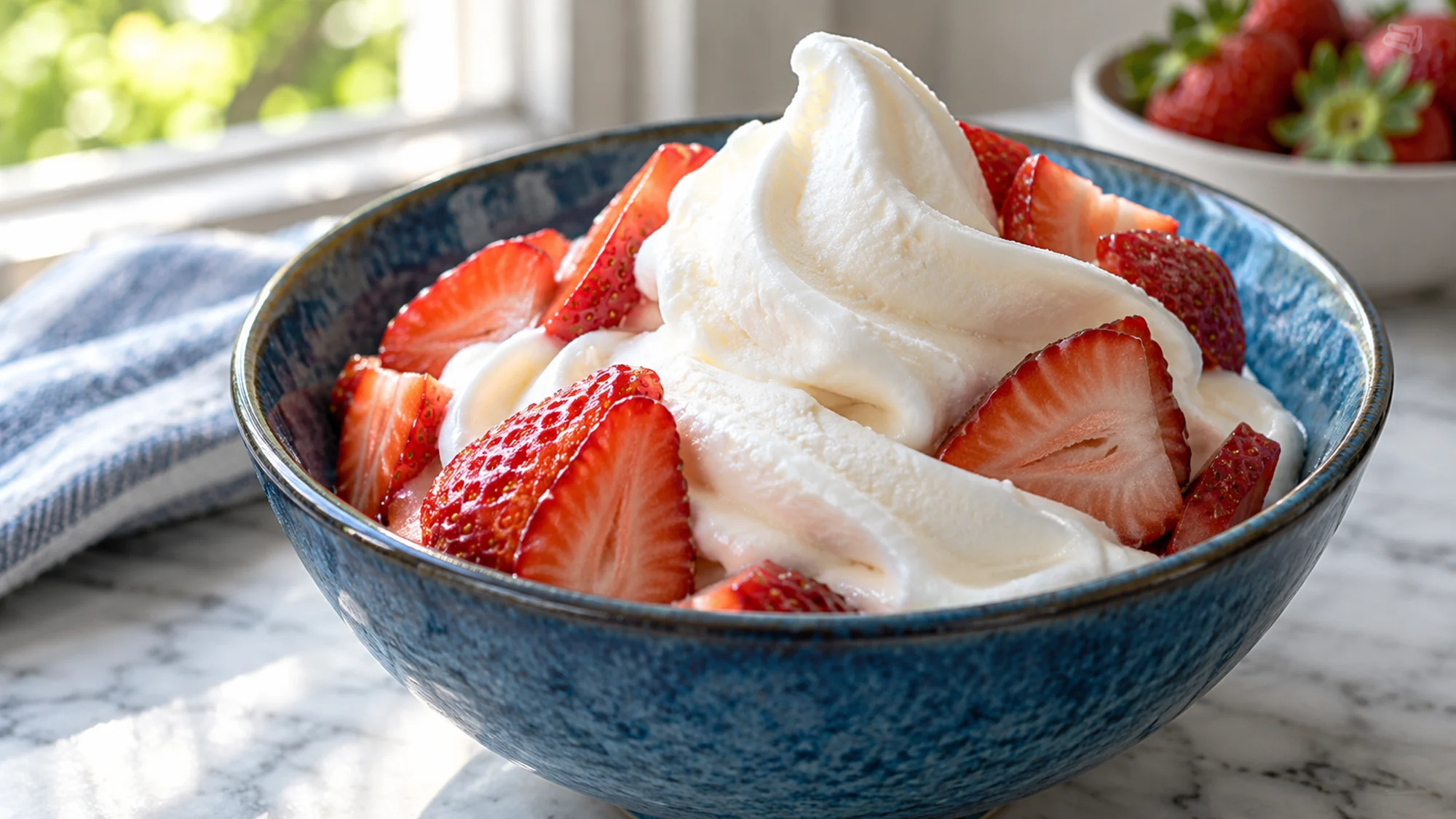
Read Sugar Claims With a Little More Care
The FDA distinguishes total sugars from added sugars: total sugars include naturally occurring milk and fruit sugars as well as added sweeteners. The “includes added sugars” line is part of the total, not an extra amount to add again. Honey and maple syrup also count as added sugars when used to sweeten a dessert.
- Lower sugar is a comparison: check what the product is being compared with and read the actual grams per serving.
- Check alternative sweeteners: ingredients such as sorbitol and maltitol are sugar alcohols. Their presence changes the formulation, not every nutritional feature.
- Notice digestive comfort: Health Canada explains that larger amounts of sugar alcohols can cause gastrointestinal discomfort or laxative effects; sensitivity varies.
A sugar claim can be useful information, but it is not a guarantee about the rest of the ingredients or how you will tolerate them.
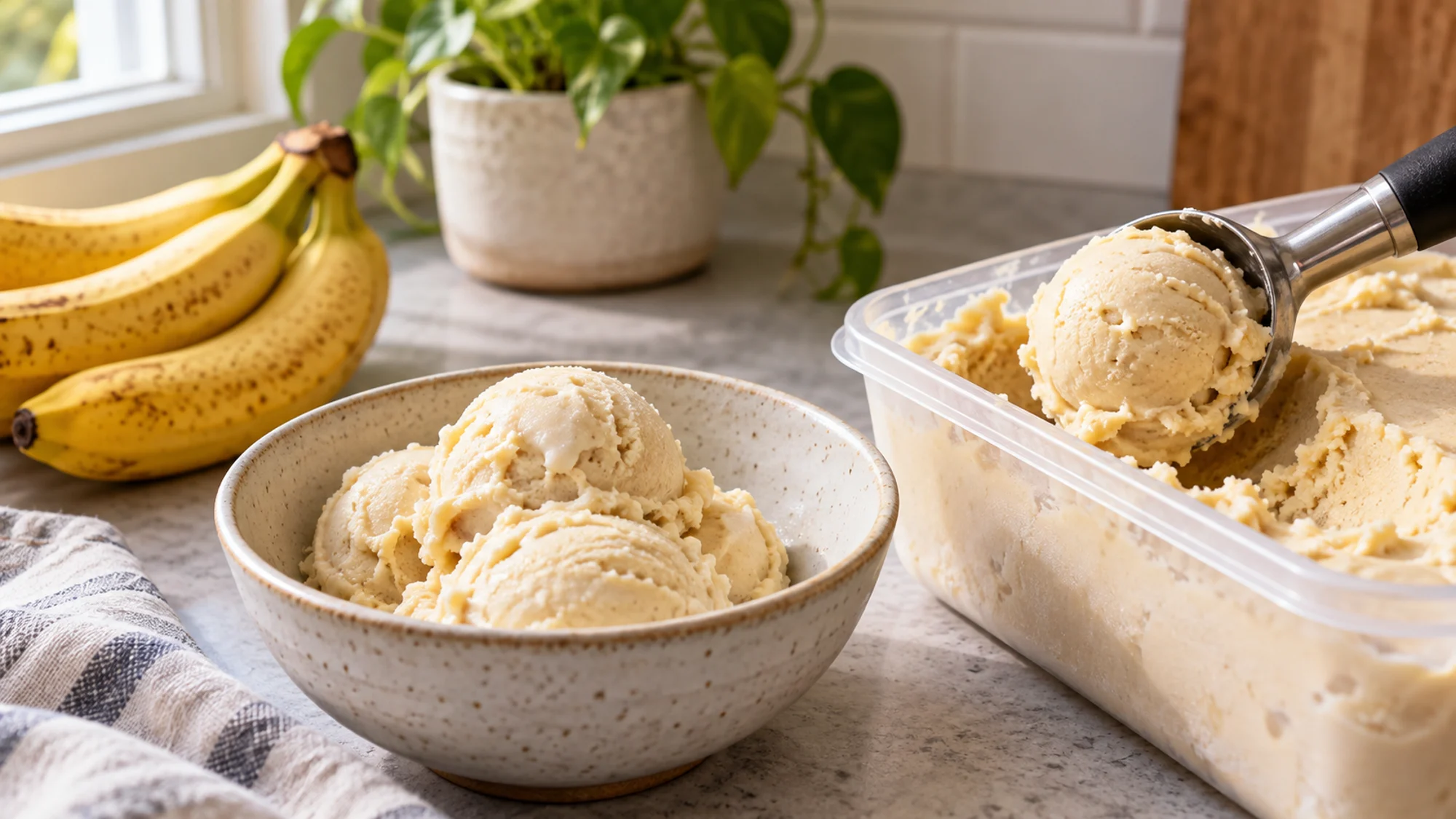
Build a Bowl You Want to Eat
You can keep the decision simple at home: serve the dessert you enjoy and add something because you like the contrast. Berries bring tartness and a juicy bite; chopped nuts add crunch, provided they suit everyone’s allergies. There is no need to bury a perfectly good scoop under a second shopping list.
- Try fruit-based options for their own character: blended frozen banana tastes like banana, not a duplicate of vanilla ice cream.
- Keep allergies separate from preferences: lactose-free dairy still contains milk proteins; a milk allergy requires a different ingredient and cross-contact check.
- Consider a different format: our chocolate strawberry yogurt clusters offer a tangy frozen center and crisp shell. Their chocolate and honey still contribute to the dessert.
For a medical dietary restriction, use the advice you have been given rather than a general “healthy” label. What works for one person’s needs may not answer another person’s question.
Bottom Line
The most useful healthy ice cream choice is one you enjoy and can assess clearly: compare equal servings, read the ingredients, and check the nutrients that matter to you. A specialty label is an option, not a requirement.
The FDA’s short explainer shows how to read the added-sugars line—a useful skill when comparing frozen desserts.
Sources
- FDA: Understanding the Nutrition Facts label
- FDA: Total and added sugars
- Health Canada: Sugar alcohols and digestive tolerance
- Cleveland Clinic: Comparing ice cream alternatives

Hi, I’m Emily Pocker! I share recipes and food guides here at Recipes360 to help you find everyday meal inspiration and feel more confident in the kitchen. My goal is to make cooking approachable, enjoyable, and full of flavor.